Staring at a charming 1930s–1940s bungalow that no longer fits your life? In 78703, the remodel or rebuild choice is more than a budget question. Historic status, protected trees, and neighborhood expectations can shape what is possible, how long it takes, and what it costs. This guide gives you the local rules, timing, costs, and decision steps to make a confident call. Let’s dive in.
Why 78703 decisions are unique
Old West Austin’s character is part of its value. The area that includes Old Enfield, Pemberton Heights, and Bryker Woods is recognized on the National Register as the Old West Austin Historic District. That history, combined with active neighborhood planning, is why scale and context matter. You can explore the City’s adopted Old West Austin Neighborhood Plan to understand the planning backdrop and design goals for the area. Review the neighborhood plan for context.
Historic status and what it means
Being in a National Register Historic District does not automatically block changes, but it does add review. Permits inside National Register districts route through the City’s Historic Preservation Office and the Historic Landmark Commission. In practice, demolition proposals often face requests for documentation, and rehabilitation or deconstruction is encouraged. Learn more about the City’s historic preservation process on the Historic Preservation resources page and the NRHD review guidance.
Some blocks also sit inside local historic districts with stricter controls that require a Certificate of Appropriateness. If a house is a “contributing” structure, expect more design scrutiny and a longer path to approval.
Neighborhood plan, zoning, and compatibility
Most residential lots in 78703 are single-family zoning with a Neighborhood Plan combining district. The plan prioritizes preserving scale and character while allowing limited infill in select corridors. Compatibility standards can limit height and placement when new construction is near single-family lots. Before you sketch a design, verify the base zoning and any neighborhood plan conditions. The Old West Austin Neighborhood Plan is a useful reference when calibrating massing.
Permits, fees, and timelines
The City’s Residential Plan Review outlines submittal types, target timelines, and options for pre-application meetings. Simple projects can move faster, and complex ones often need multiple review cycles. Start with a staff consultation to map the right path and budget extra time for historic, watershed, or tree reviews. See published process details on the Residential Plan Review page.
What fees to expect
Permit and plan-review fees are only a small part of total project cost, but they add up. The City’s fee schedule shows typical line items, including a demolition permit and processing fees. As of the current schedule, example figures include a demolition permit around $73.70 and a demolition or relocation processing fee around $97.02, with residential plan-review base fees that scale by square footage. Review the current list in the Residential fee schedule.
Resubmittals and specialty reviews can add more soft costs. Build in a contingency and plan for multiple review rounds when projects are complex or involve protected resources.
Trees, watershed, and floodplain
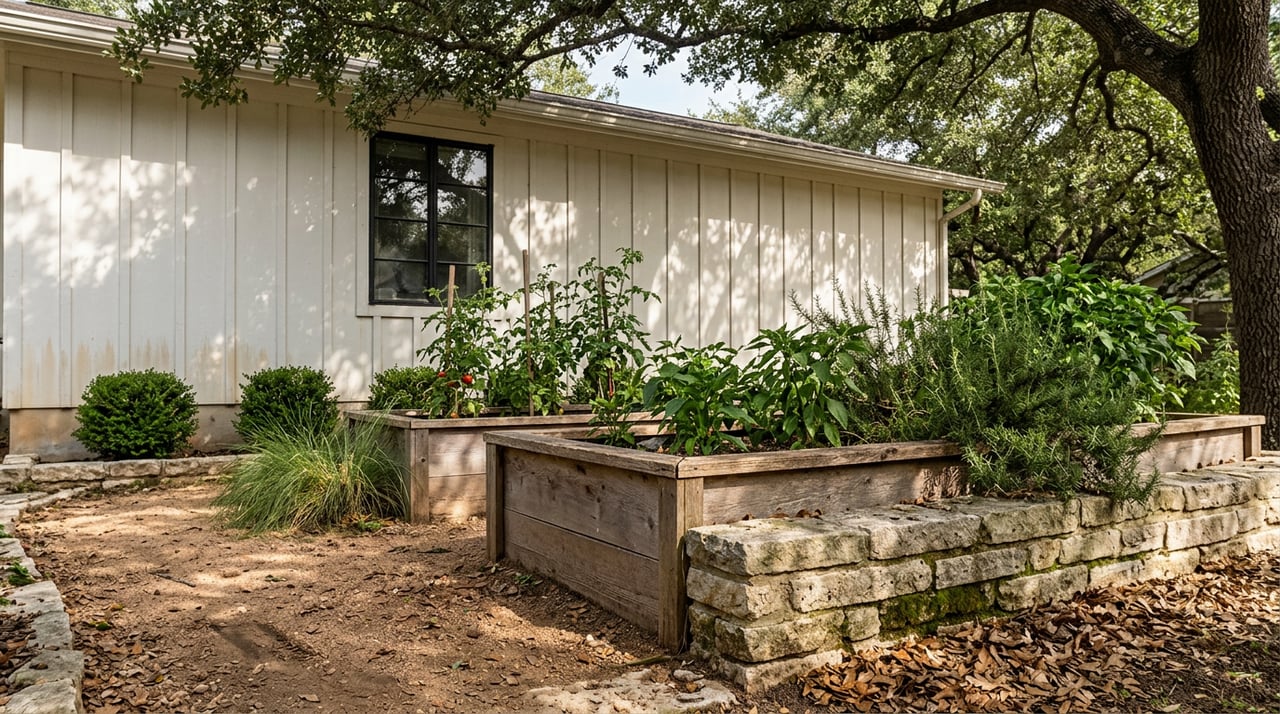
Large live oaks and mature canopy are a hallmark of Old West Austin, and the City protects many trees through the permit process. Tree removal or work in the root zone often triggers arborist reports, mitigation, or design changes. Read how Austin protects trees and how that might shape your footprint on the City Arborist blog.
Lots near Shoal Creek or Pease Park can intersect floodplain, creek buffers, or Critical Water Quality Zones. These factors influence where and how much you can build, and they may require added water-quality controls. Review the Watershed Protection Ordinance summary before committing to a design that assumes a larger footprint or basement work.
Market and financial lens
Land value vs. improvement value
A quick way to frame the teardown question is to compare land value to improvement value for the parcel. The Travis Central Appraisal District shows both, and it is a useful starting point for feasibility. If land value makes up the majority of total value, a new build may pencil out. Check your parcel at the TCAD property search, then confirm with block-level MLS comparables.
Build costs and soft costs
Custom home costs in central Austin vary by finish level, contractor, and site complexity. Public guides show broad ranges, and in premium neighborhoods you should plan carefully for higher-end finishes and site-specific allowances like tree protection, root-zone barriers, complex grading, and potential flood elevation work. For accuracy, get two or three local builder bids for a remodel or addition and for a full new build on the same site. Add design, engineering, survey, utility, and financing costs, plus a healthy contingency for unknowns.
Resale ROI for remodels
If you are remodeling primarily for resale, targeted projects often perform better than full gut renovations on a percent-of-cost basis. The 2025 Cost vs. Value dataset indicates that midrange, targeted updates such as a minor kitchen remodel can recoup around 113 percent of cost on average in benchmark data, while large additions and certain upscale projects tend to recoup less. Use the report as a guidepost and validate with local comps. Explore benchmarks in the Cost vs. Value 2025 report.
Micro-neighborhood nuances
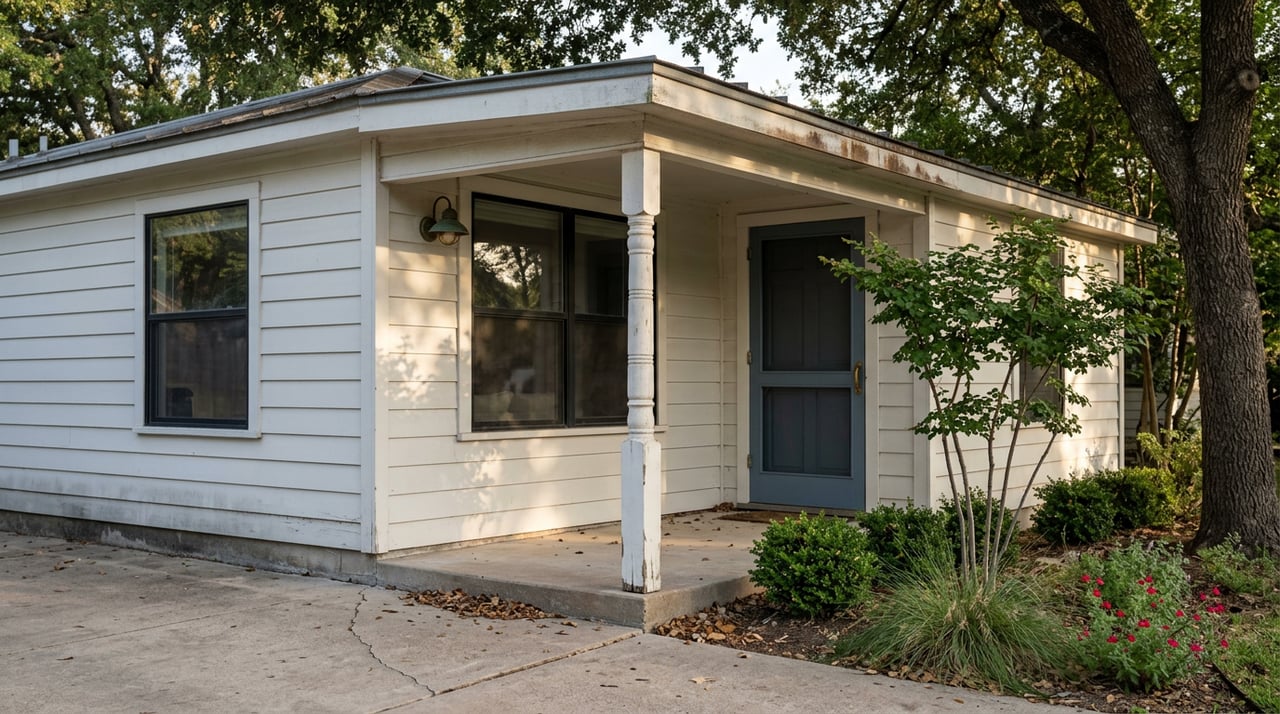
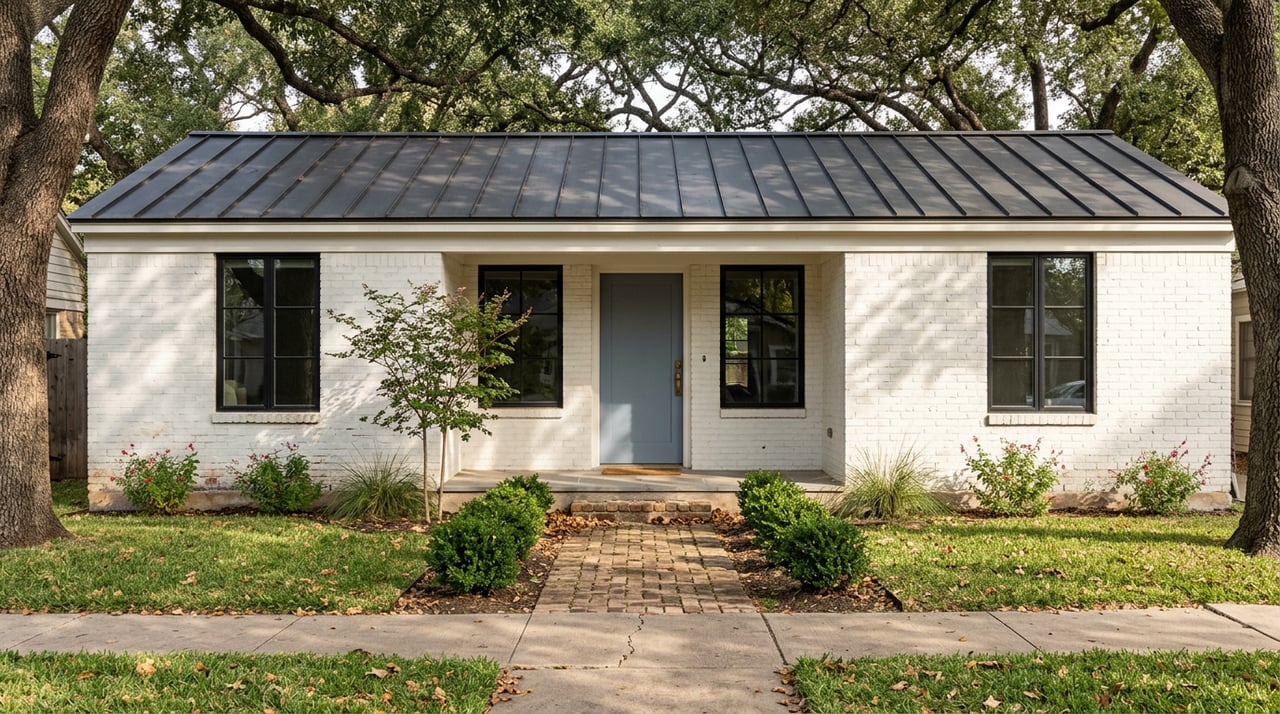
Old West Austin is not one-size-fits-all. Bryker Woods is known for a human-scale, 1930s–1940s bungalow fabric on generally smaller lots, which often points toward sensitive additions or targeted interior upgrades. Pemberton Heights tends to have larger lots and more flexibility for larger additions or a full rebuild where numbers justify it. Neighborhood associations are active, and public engagement is common during reviews. You can see how engaged neighbors are on the OWANA zoning page.
Step-by-step roadmap
Follow this clear process to compare remodel and rebuild options with confidence.
1) Confirm private covenants
Before you assume what zoning allows, check for any private deed restrictions or covenants that may limit use, massing, or lot splits. Many Old West Austin sub-plats still carry restrictions. Neighborhood associations regularly encourage owners to verify covenants early. Start by reviewing guidance and permit-notice culture on the OWANA zoning page.
2) Snapshot your values
Pull closed comps within two to three blocks and compare TCAD’s land and improvement values. If land value plus a realistic new-home sale number exceeds the combined lot price, hard costs, and soft costs, a rebuild may make sense. If not, a remodel or addition may deliver better value. Use TCAD’s property search to frame the discussion, then refine with local MLS data.
3) Book early City checks
Confirm zoning, neighborhood plan overlays, historic status, floodplain, watershed, and tree constraints with City staff. A short zoning appointment or a pre-application consultation can save months later. See the submittal types and target timelines on the Residential Plan Review page.
4) Clarify historic pathway
If your house is a contributing structure in the National Register district or inside a local historic district, meet with the Historic Preservation Office early. Demolition in National Register districts typically requires documentation and review, and local districts require a Certificate of Appropriateness. Read the City’s NRHD review guidance to understand steps and timing.
5) Order site investigations
Get a current survey, a tree inventory or arborist report, soils or geotechnical input if you have slopes or fill, and a drainage check. These reports determine what footprint is physically possible and where foundations or utilities may need special details. The City’s tree protection overview is helpful context for root-zone constraints.
6) Build a realistic budget
Request two or three local builder bids for each option: remodel or addition, partial teardown and new, and full teardown and new. Ask bidders to include line items for tree protection, potential heritage-tree mitigation, erosion controls, and historic documentation. Use Cost vs. Value benchmarks for a rough ROI lens, then refine with neighborhood comps. See the 2025 Cost vs. Value report.
7) Add time and soft costs
Include permit and plan-review fees and allow for resubmittals. The City’s residential fee schedule lists example line items, including demolition permit and processing fees. On complicated sites, approvals can take three to six months or more. Construction timelines for custom rebuilds often run nine to eighteen months, depending on scope and site conditions.
8) Make the call
Favor a remodel or addition when the structure has solid bones, systems can be updated without major structural rework, the lot is constrained by trees or floodplain, or targeted projects deliver strong resale ROI. Favor a teardown and rebuild when the layout cannot meet your needs without costly compromises, severe structural or foundation issues exist, or the land value and new-home sale price comfortably exceed total costs.
Remodel vs. rebuild: quick decision cues
Choose a remodel or addition when:
- You want to preserve original character and footprint but improve function and finishes.
- Protected trees or floodplain make a larger footprint impractical.
- Targeted upgrades offer high ROI relative to a full gut or addition.
Choose a teardown and rebuild when:
- Land value and buyer expectations support a new, larger, or better-sited home.
- The existing structure requires extensive structural work to meet your needs.
- Historic review still allows a replacement and the design can respect neighborhood scale.
Common pitfalls to avoid
- Skipping deed restriction checks and discovering private covenants later.
- Underestimating tree protection, root-zone limits, and resulting footprint changes.
- Waiting to meet the Historic Preservation Office until you submit permits.
- Assuming zip-level price medians apply equally to your block. In Old West Austin, block-by-block comps are essential.
- Not budgeting for extra review cycles, neighbor engagement, or minor redesigns.
Ready to evaluate your address?
If you are weighing options in Bryker Woods, Old Enfield, or Pemberton Heights, a calm, step-by-step plan will protect your time and budget. With the right pre-work, you can decide with clarity and move forward confidently. For a private, neighborhood-specific review of your options and market value pathways, schedule a conversation with Greg Walling.
FAQs
What makes remodel vs rebuild different in 78703?
- Historic status, tree protections, and neighborhood plan policies add review steps and can limit massing, which changes cost, timing, and design choices compared with other Austin areas.
How does being in a National Register Historic District affect permits?
- Permits route through the Historic Preservation Office and the Historic Landmark Commission; demolition often requires documentation, and rehabilitation is encouraged, especially for contributing structures. See the City’s NRHD guidance.
What City fees should I budget for a teardown?
- Plan for a demolition permit and processing fees plus residential plan-review fees that scale by square footage, with possible specialty review fees. Review the residential fee schedule.
How do protected trees affect my design in Old West Austin?
- Large or heritage trees often cannot be removed without permits and mitigation. Root-zone protections may require shifting the footprint, using pier-and-beam, or other design changes. See the City’s tree protection overview.
Where do I check land and improvement values for my lot?
- Use the Travis Central Appraisal District to view land versus improvement values as a starting point, then refine with local comps. Start with TCAD property search.
What timeline should I expect from plan review to move-in?
- Simple projects can move faster, but complex historic or environmentally constrained sites often take three to six months for approvals and nine to eighteen months for construction. See target review times on the Residential Plan Review page.