Wondering how to prepare a Pemberton Heights home for a discreet, high-end sale without turning the process into a major production? In a neighborhood known for historic character, mature trees, and proximity to central Austin, the right prep plan is usually more refined than dramatic. If you want to protect privacy, honor the home’s architecture, and still make a strong impression, a thoughtful approach matters. Let’s dive in.
Why Pemberton Heights needs a tailored plan
Pemberton Heights is not a one-size-fits-all neighborhood. According to the Pemberton Heights Neighborhood Association, the area includes 613 residences in Austin’s 78703 and sits within the Old West Austin National Register Historic District.
That setting shapes how your home should be presented. The neighborhood association notes a wide mix of architectural styles, including Tudor Revival, Colonial Revival, Craftsman, Prairie School, and several revival styles, along with mature heritage trees and deeper front setbacks. In practice, that means buyers are often responding to character, scale, and original design details as much as square footage or finishes.
Location also plays a large role in the value story. The neighborhood is minutes from downtown Austin, the UT campus, the Capitol complex, and other central Austin destinations, which helps support strong interest from buyers seeking both convenience and a distinct residential setting.
Start with historic status verification
Before you paint, prune, replace, or redesign anything, confirm how the property is classified. The City of Austin recommends checking the Historic Property Viewer and preservation resources to see whether a home is a historic landmark, part of a locally designated historic district, or located within a National Register district.
This step matters because review requirements can vary. Austin states that historic landmarks and certain properties in historic districts or National Register districts may require a historic review application for exterior alterations, additions, permanent site work, signs, and stand-alone new construction.
It is also important to understand the difference between district types. The city explains that local historic districts include additional zoning controls and require a Certificate of Appropriateness, while National Register districts are largely honorific and historic review is advisory only.
For sellers, the takeaway is simple. Do not assume a quick exterior update is automatically straightforward. Verify first, then plan.
Respect original character in every update
In a neighborhood like Pemberton Heights, prep work should usually support the home’s design language, not compete with it. Austin’s Historic Design Standards say new work should be compatible with the character of the district in scale, massing, proportions, materials, and architectural features.
That does not mean your home must look frozen in time. It does mean buyers are likely to respond best when improvements feel cohesive with the architecture that is already there.
A restrained approach often works best, such as:
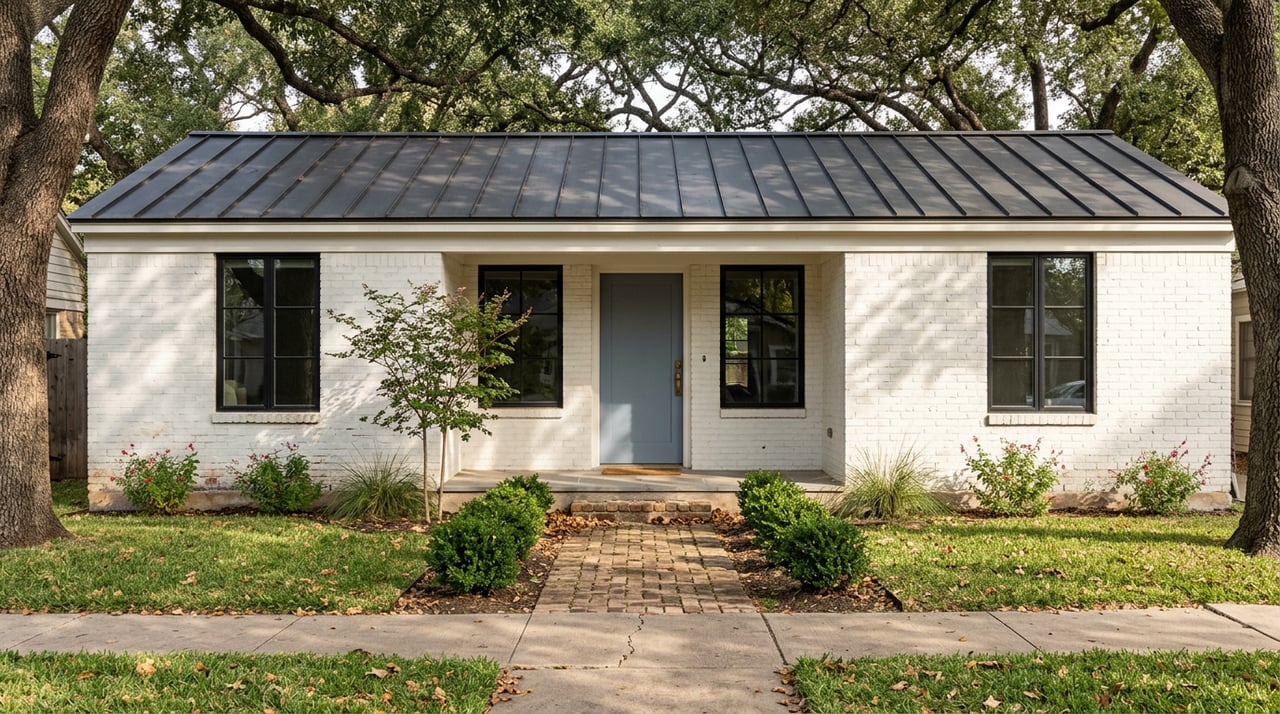
- Refreshing paint colors that complement original materials
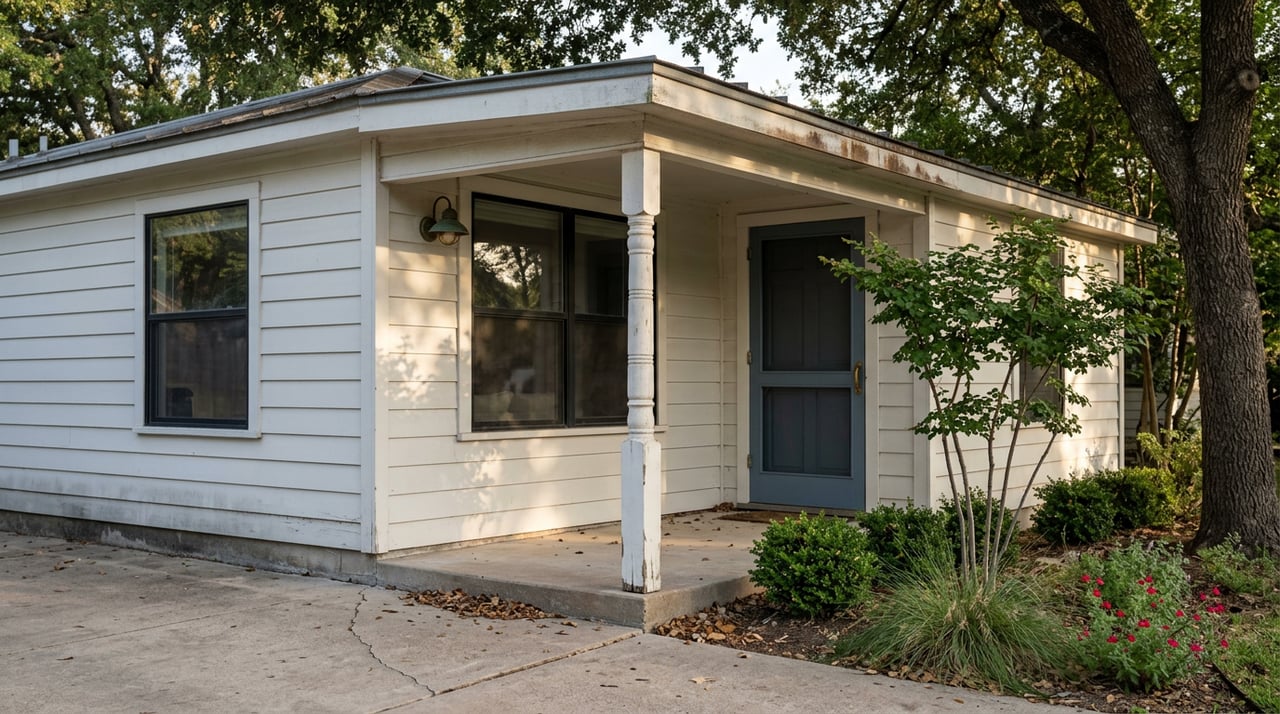
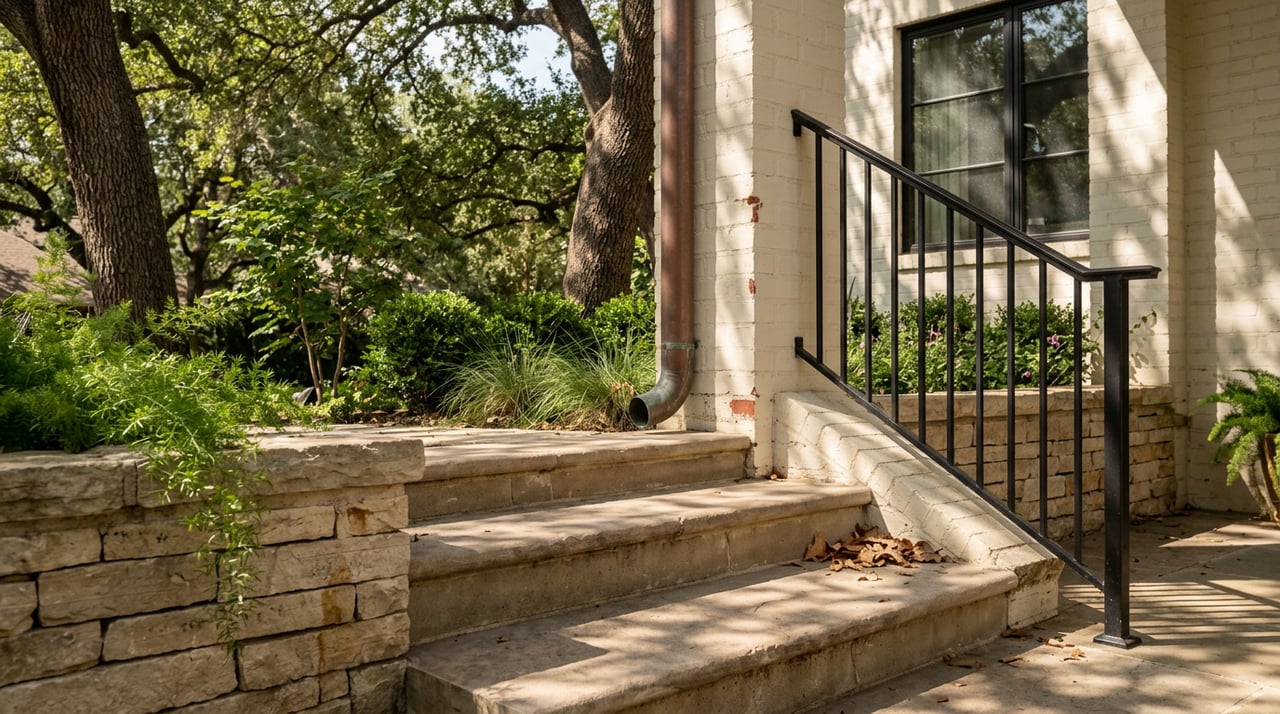
- Repairing trim, masonry, or visible wear instead of replacing distinctive details unnecessarily
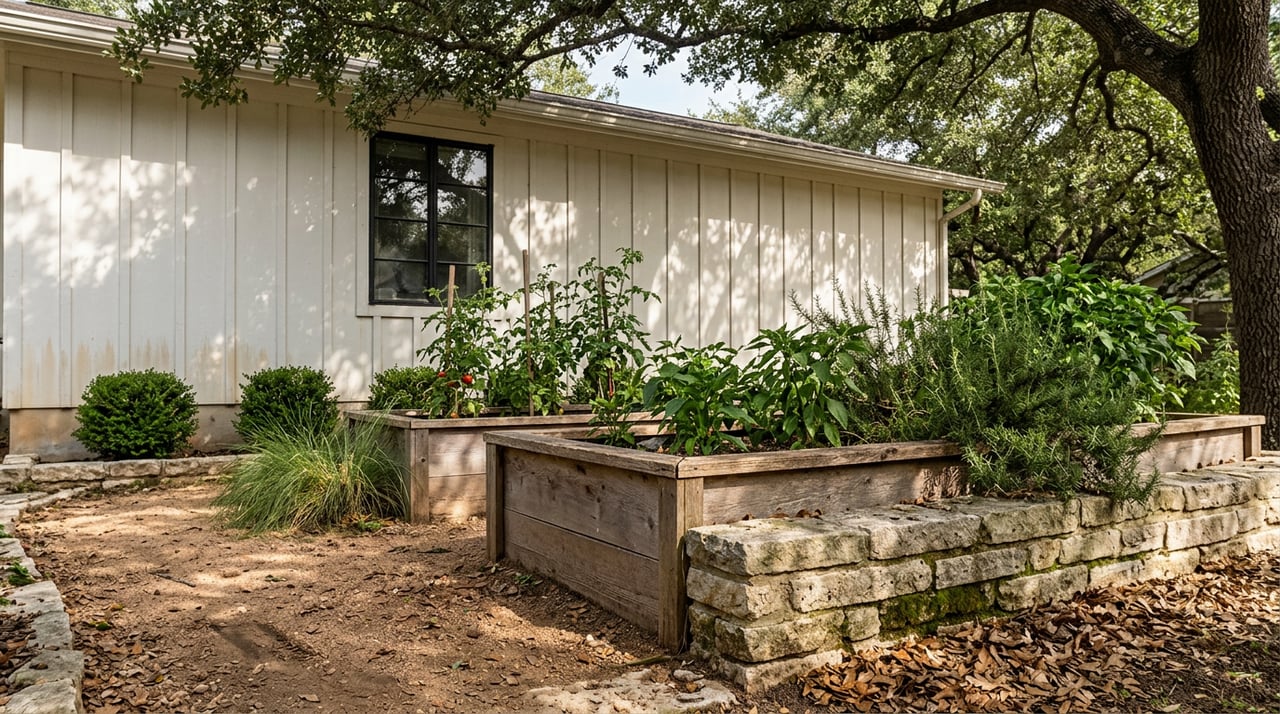
- Tidying landscaping so mature trees and setbacks frame the house well
- Preserving sightlines to windows, fireplaces, floors, millwork, and ceiling height
This kind of preparation can make the home feel cared for, elevated, and authentic. In a historic setting, authenticity is often part of the luxury appeal.
Focus on staging that feels quiet and polished
A high-end sale does not always require a full redesign. The National Association of REALTORS® defines staging as cleaning, decluttering, repairing, depersonalizing, and updating a home so buyers can better picture themselves in the space.
That definition fits Pemberton Heights especially well. When a home already has architectural presence, staging should help buyers notice it more clearly.
According to NAR’s 2025 staging report, 29% of agents saw a 1% to 10% increase in offer price from staging, and 49% of sellers’ agents saw reduced time on market. The same report found that 83% of buyers’ agents said staging made it easier for buyers to envision the property as their future home.
For most sellers, the best starting points are not flashy. NAR found the most common recommendations were decluttering, cleaning, and improving curb appeal.
Stage the rooms buyers notice most
If you want to be selective about where to invest time and money, focus on the spaces buyers care about first. NAR reports that the most important rooms to stage are the living room, primary bedroom, and kitchen.
In a Pemberton Heights home, those rooms often carry both function and architectural identity. Your goal is to make them feel open, calm, and usable while keeping the home’s details legible.
A practical room-by-room approach may include:
Living room presentation
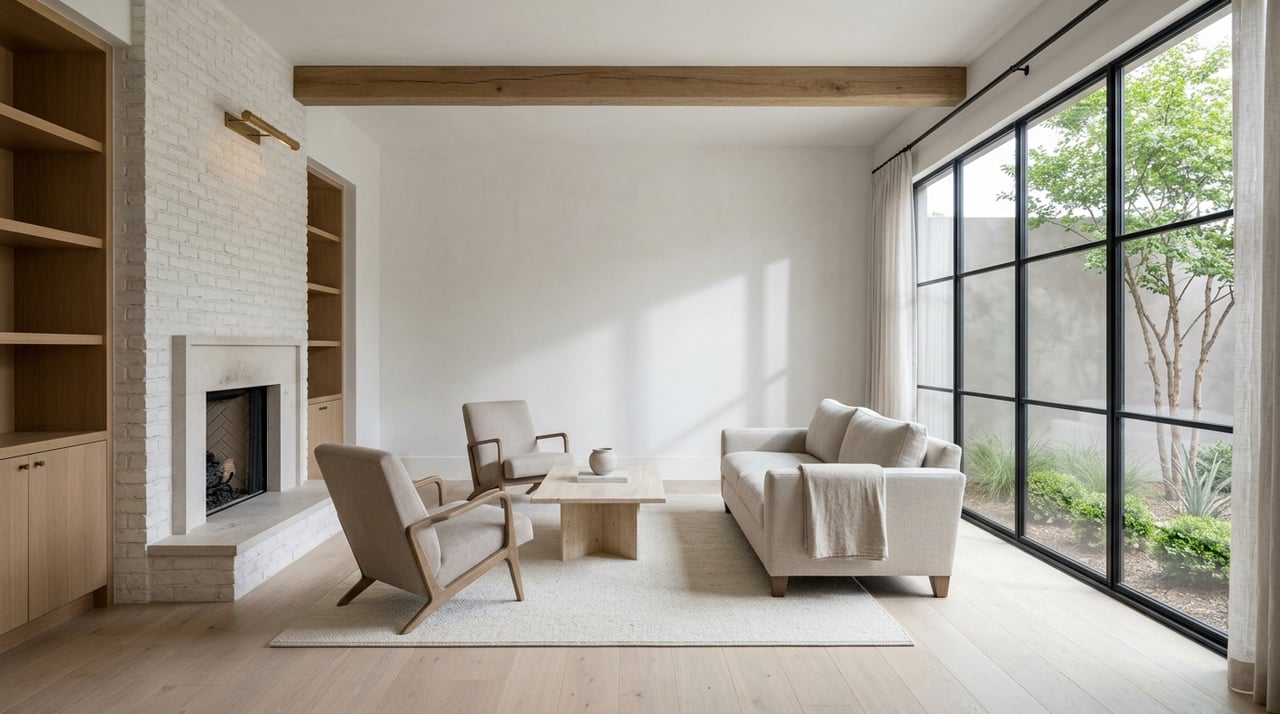
Keep furniture scaled appropriately so the room feels open. If there is original trim, a fireplace, tall windows, or notable ceiling lines, avoid blocking them with oversized pieces or heavy decor.
Primary bedroom calm
Use simple bedding, limited accessories, and balanced lighting. The room should feel restful and spacious, not over-designed.
Kitchen clarity
Clear counters, reduce small appliances, and highlight workspace and natural light. If the kitchen includes updates, they should read as clean and functional rather than trend-heavy.
Use digital marketing to support privacy
A quiet sale does not mean an invisible sale. In fact, strong digital presentation can help you limit unnecessary foot traffic while still reaching serious buyers.
NAR’s 2025 report found that buyers’ agents rated photos, traditional staging, videos, and virtual tours as highly important listing components. That is especially useful when your goal is curated exposure instead of constant in-person showings.
For a privacy-minded seller, polished media can do a lot of early work. It helps buyers understand the home before they ever request an appointment, which can reduce casual walkthroughs and narrow in-person access to better-matched prospects.
NAR also notes that virtual staging can be a useful option for vacant homes or occupied homes when a lighter-touch presentation makes more sense. That can be especially helpful if you want to avoid a full furniture installation while still showing the home’s potential.
Create a buyer-vetted showing plan
Discretion is often less about hiding a home and more about managing access well. NAR’s Safe Listing Form recommends that sellers use their REALTOR® to schedule showings rather than opening the door to unknown visitors.
The same guidance also supports asking that the property be shown only to buyers who are pre-qualified or properly identified. For a high-end Pemberton Heights sale, that can support an appointment-only process that feels orderly, respectful, and secure.
A discreet showing plan may include:
- Appointment-only access
- Buyer pre-qualification or identity confirmation before showings
- Limited showing windows to reduce disruption
- Strong listing media upfront so in-person visits are more intentional
This approach can preserve your privacy without making the property feel unavailable.
Remove personal and valuable items early
Before any photos, tours, or showings begin, protect both privacy and security. NAR’s safe-listing guidance recommends removing valuables such as mail, jewelry, money, artwork, laptops, cellphones, and gaming systems from view.
It also advises securing or removing prescription medications, firearms, and personal items such as family photos, address books, diaries, and journals. These steps are practical for any sale, but they are particularly important when your home may attract attention for its location, architecture, or price point.
The result is also better presentation. A home usually photographs and shows better when surfaces are clean and personal information is out of sight.
Know that historic status does not automatically complicate a sale
Some sellers worry that historic context will make the process harder from the start. In many cases, that concern is overstated.
The City of Austin explains that National Register districts are largely honorific, which means being in one does not automatically create the same level of control as a local historic district. At the same time, some homes may have property-specific designation or review triggers, so it is still important to verify the details for your exact address.
The main point is this: historic context should inform your prep strategy, not discourage you. With the right planning, it can become part of the home’s value story.
Keep the prep plan calm and intentional
For many Pemberton Heights sellers, the best outcome comes from doing fewer things, but doing them well. Clean thoroughly, edit carefully, verify any exterior work before you begin, and build marketing that respects both the home and your privacy goals.
That kind of sale is rarely about noise. It is about presenting a distinctive home with clarity, confidence, and the right level of access. If you are considering a discreet sale in Pemberton Heights, Greg Walling offers a calm, concierge-style approach tailored to privacy-minded luxury sellers.
FAQs
What should you do before updating a Pemberton Heights exterior?
- Check the property’s status through the City of Austin’s historic preservation resources before starting exterior changes, site work, or additions.
Does living in the Old West Austin National Register Historic District make selling harder?
- Not necessarily. The City of Austin says National Register districts are largely honorific, but you should still verify whether your specific property has separate historic review triggers.
What matters most when staging a Pemberton Heights home?
- Cleaning, decluttering, repairing, depersonalizing, and highlighting the home’s architectural features are usually the most effective priorities.
Which rooms should you stage first for a high-end home sale?
- NAR reports that the living room, primary bedroom, and kitchen are the most important rooms to stage.
How can you keep a luxury home sale more private?
- Use appointment-only showings, strong digital marketing, and a buyer-vetted access plan that limits in-person visits to pre-qualified or properly identified prospects.