If you want a neighborhood that supports a more connected Austin routine, Bryker Woods is worth a closer look. For many buyers, the appeal is not just the homes. It is the mix of school access, central location, parks, and everyday convenience that can shape how your week actually feels. If you are weighing Bryker Woods for your next move, this guide will help you understand what daily life here may look like. Let’s dive in.
What Bryker Woods feels like
Bryker Woods sits within the Old West Austin Historic District, which stretches between Shoal Creek and MoPac from 13th to 35th Streets, northwest of downtown Austin. According to the Bryker Woods Neighborhood Association, the area is known as an older central-city neighborhood with a community-oriented feel and strong access to parks and green space.
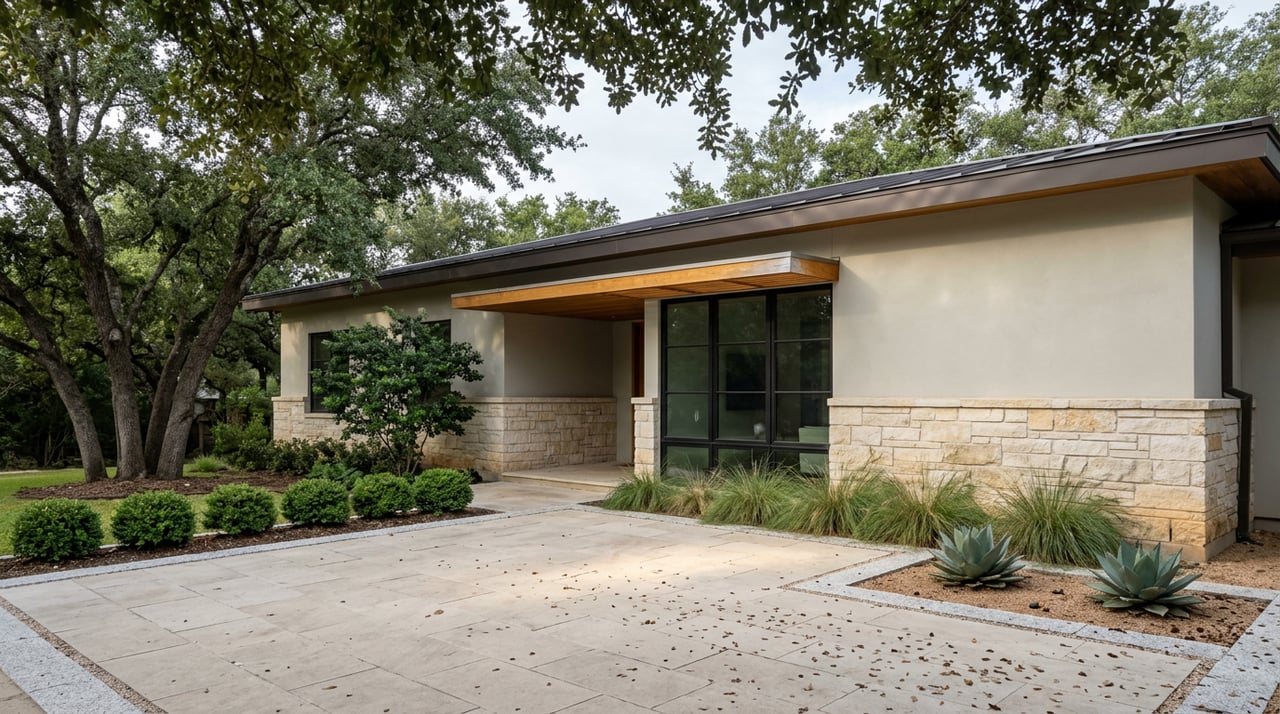
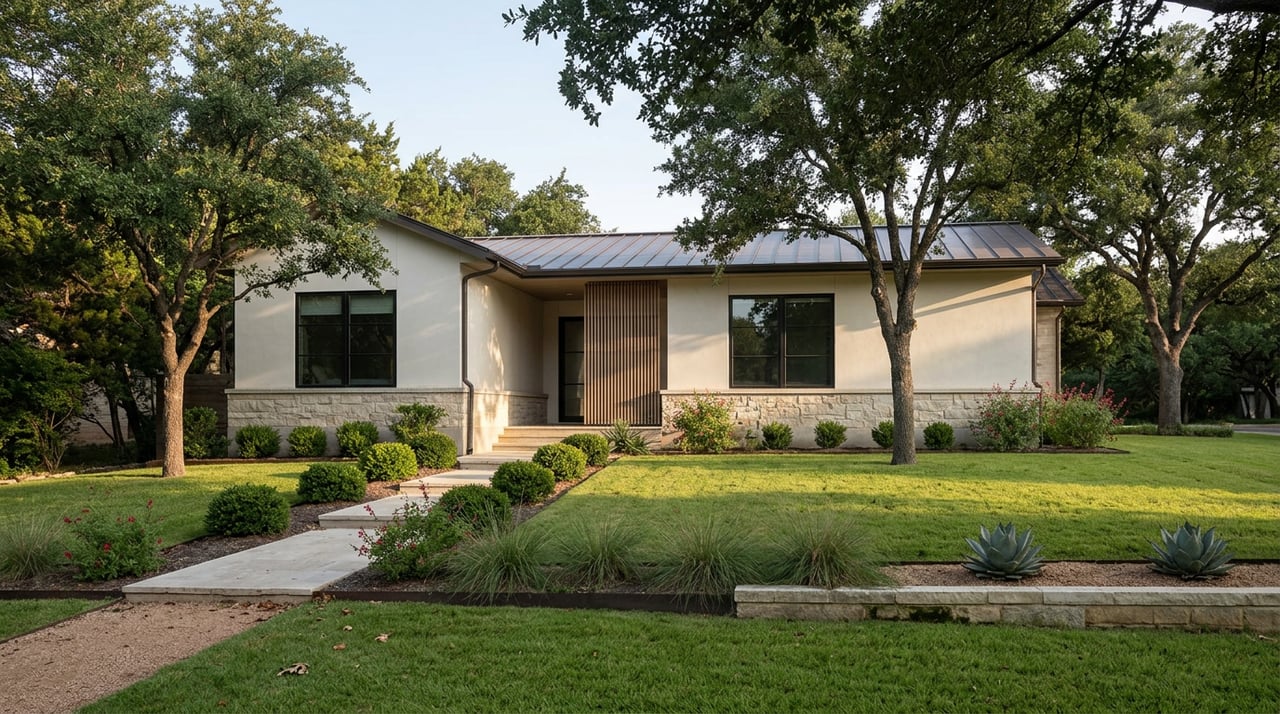
The housing pattern reflects that history. The City of Austin’s Central West Austin neighborhood plan describes Bryker Woods as a one- to two-story single-family area with some duplexes mixed in. In practical terms, that means you are looking at an established neighborhood with a more compact, historic feel rather than a newer suburban layout.
That character can be a major draw if you value mature surroundings and close-in living. It can also come with added considerations. The neighborhood association advises future homeowners to review demolition, construction, and modification restrictions before planning major changes, so it helps to be comfortable with preservation-minded oversight.
Schools in Bryker Woods
For many households, schools are one of the biggest parts of the decision. Bryker Woods offers an in-neighborhood public elementary option, along with central Austin access to other public and private campuses.
Bryker Woods Elementary School
Bryker Woods Elementary School is located at 3309 Kerbey Lane in 78703. AISD lists the campus with a 2025 accountability rating of B, including Student Achievement rated A, School Progress rated B, and Closing the Gaps rated C.
In January 2025, AISD also announced that Bryker Woods became the district’s first elementary International Baccalaureate campus. For buyers who want a central Austin neighborhood with a public elementary school nearby, that is a notable part of the area’s profile.
Bryker Woods Elementary also offers public Pre-K4, along with tuition-based after-school programming and child care during the day. If you are balancing school-day logistics with work schedules, those wraparound options may matter.
AISD feeder pattern
AISD’s 2026-27 feeder pattern shows Bryker Woods Elementary feeding to O. Henry Middle School and Austin High School. That said, AISD also notes that each student’s exact assignment depends on the home address.
Because boundaries and assignment details can change, it is smart to verify any address directly with AISD before you buy. That extra step can help you plan with more confidence.
Nearby private school options
If you are considering private education, central Austin gives you several nearby options. The research provided for this guide identifies St. Andrew’s Episcopal School, Kirby Hall School, and Trinity Episcopal School as choices used by families in the broader central Austin area.
For many buyers, that flexibility is part of Bryker Woods’ appeal. You have an in-neighborhood public elementary school, but you are also positioned near other established campuses depending on your preferences and routine.
Commute and access
One of Bryker Woods’ strongest advantages is location. The City of Austin neighborhood plan notes a near-grid of narrow residential streets, with some roads connecting toward MoPac, including Northwood, and says residents use Lamar Boulevard and the 38th/35th corridor for shopping and social needs.
That setup supports a close-in lifestyle. Based on the neighborhood’s northwest-of-downtown location and official planning context, Bryker Woods is well positioned for downtown Austin, UT, and other central-city destinations. If you want to spend less time crossing town for work, errands, or activities, that inner-loop placement can make a real difference.
Still, there is a tradeoff. The Bryker Woods Neighborhood Association notes that MoPac forms the neighborhood’s western edge and that nearby commercial activity and through-traffic are local concerns. In other words, central convenience comes with familiar Austin congestion considerations.
What this means for your week
If you are comparing Bryker Woods with more suburban options, the difference is often less about straight-line distance and more about how daily life flows. In Bryker Woods, your routines may feel more centralized, with easier access to school, parks, work destinations, and central Austin activities.
That said, the streets are narrower and the neighborhood is older by design. If your priority is a larger-lot setting with a more spread-out street pattern, Bryker Woods may feel less aligned with what you want.
Parks and outdoor living
Bryker Woods stands out for access to some of central Austin’s most used outdoor amenities. If your ideal neighborhood includes regular walks, playground time, trail use, or warm-weather recreation, this part of Austin gives you options.
Pease Park and Kingsbury Commons
Pease District Park is one of the area’s signature public spaces. The city notes that Kingsbury Commons is within Pease District Park and encourages visitors to arrive on foot, by bike, or by public transportation because parking is limited.
For nearby residents, that is a meaningful lifestyle perk. Having a major park close by can make spontaneous outdoor time much easier to fit into your week.
Shoal Creek Trail access
The city describes Shoal Creek Trail as one of Austin’s oldest trail systems, with important north-south connectivity through Central Austin. That supports walking, running, and bike commuting.
If you value movement built into your day, trail access can be one of the most practical benefits of living in this part of town. It is not just about recreation. It can shape how you get around and how often you choose to be outside.
Deep Eddy and nearby parks
For warm-weather recreation, Deep Eddy Pool is another well-known nearby amenity. The city describes it as the oldest swimming pool in Texas, and it remains one of central Austin’s classic outdoor destinations.
The city’s park directory also lists Ramsey Neighborhood Park and Reed Neighborhood Park among the area’s park options. Together, these spaces add to the everyday usability of the neighborhood for anyone who wants regular access to outdoor places without driving far.
Is Bryker Woods a good fit for your family?
Bryker Woods tends to align best with buyers who want a central Austin lifestyle anchored by established housing, a neighborhood elementary school, nearby private school options, and strong access to parks and trails. It is a practical choice for people who value proximity and character over square footage alone.
It may be less appealing if you are hoping for large lots, a newer-home setting, or minimal oversight for future renovations. The neighborhood’s identity is closely tied to older homes, compact streets, and historic-district context.
That does not make it better or worse than other parts of Austin. It simply means the right fit comes down to how you want your everyday life to work. If your priorities include central access, established neighborhood character, and a more connected routine, Bryker Woods deserves a spot on your list.
If you are considering Bryker Woods or comparing it with other central Austin neighborhoods, Greg Walling can help you evaluate the details that matter most to your move, from neighborhood character to day-to-day livability.
FAQs
What are the public school options for Bryker Woods in Austin?
- Bryker Woods Elementary School serves the neighborhood, and AISD’s 2026-27 feeder pattern shows a path to O. Henry Middle School and Austin High School, though you should confirm any specific address directly with AISD.
What is Bryker Woods Elementary School known for?
- AISD lists Bryker Woods Elementary with a 2025 accountability rating of B, and in January 2025 the district announced it became AISD’s first elementary IB campus.
What is the commute like from Bryker Woods to central Austin destinations?
- Bryker Woods is an inner-loop neighborhood northwest of downtown Austin, with access toward MoPac, Lamar Boulevard, and the 38th/35th corridor, which supports close-in travel but also comes with typical Austin traffic pressure.
What kinds of homes are in Bryker Woods?
- The City of Austin describes Bryker Woods as a one- to two-story single-family area with some duplexes, giving it a more historic, compact, established character rather than a newer suburban feel.
What parks and recreation are near Bryker Woods?
- Nearby amenities include Pease District Park and Kingsbury Commons, Shoal Creek Trail, Deep Eddy Pool, Ramsey Neighborhood Park, and Reed Neighborhood Park.
What should buyers know about historic-district rules in Bryker Woods?
- Because Bryker Woods is part of the Old West Austin Historic District, buyers should review demolition, construction, and modification restrictions before planning major property changes.