If you want central Austin charm without giving up everyday convenience, Old West Austin deserves a closer look. In 78703, the appeal is not just about beautiful homes. It is about being able to walk to a café, spend time in a real neighborhood park, and come home to streets with lasting character. If you are trying to understand what makes this area so enduring, this guide will help you picture the rhythm of daily life here. Let’s dive in.
Why Old West Austin Stands Out
Old West Austin is one of Austin’s oldest neighborhoods, and that history still shapes how the area feels today. The City of Austin describes it as a traditional mixed-use residential area with high pedestrian traffic to neighborhood businesses, parks, and open space.
That description matters because it explains why the neighborhood feels so livable. This is not a place where walkability is just a talking point. The area was planned and valued for a pattern of daily life that connects homes, local businesses, and green space.
The historic core is generally framed by West 13th Street, Lamar Boulevard, West 35th Street, and MoPac. Within that broader area, you will find layers of Austin history, including ties to Clarksville’s historic Black settlement and later Anglo and Hispanic development.
Walkability in 78703
For many buyers, the real draw of Old West Austin is how easy everyday outings can feel. The neighborhood plan points to neighborhood-friendly commercial areas along West 5th and 6th Streets between Lamar and MoPac, Lamar between Town Lake and Enfield, and the West Lynn corridor from 10th to 13th Streets.
That local pattern creates a lifestyle that feels natural and low-stress. Instead of planning your whole day around driving, you may be able to walk to coffee, meet a friend for lunch, or take an evening stroll through a corridor that already feels part of the neighborhood.
The West Lynn area is especially important here. The City of Austin notes that many residents walk to businesses in that corridor, which helps explain why this pocket has such a strong neighborhood rhythm.
West Lynn Daily Routine
If you are picturing what daily life looks like, think less about special-occasion dining and more about reliable go-to spots. This part of Old West Austin works well for morning coffee runs, casual patio lunches, laptop time, and easy evening meetups.
Current examples in and around the area include Better Half Coffee & Cocktails on Walsh Street, Josephine House near West Lynn, Swedish Hill on West 6th, Pecan Square Cafe on West 6th, and Clark’s Oyster Bar on West 6th. Together, they support the kind of all-day café culture that helps a neighborhood feel active without feeling hectic.
Parks and Greenbelts Nearby
Old West Austin also stands out because green space is woven into the neighborhood experience. You are not limited to a few small landscaped pockets. The area is connected to a broader network of parks, trails, and greenbelts that make the neighborhood feel greener than many central-city locations.
That balance is a big part of the appeal in 78703. You can stay close to downtown Austin while still having easy access to outdoor spaces for walking, relaxing, or spending time with family and friends.
Pease Park Access
Pease Park is the signature outdoor asset for this part of Austin. The park spans 84 acres from 15th to 31st Street and traces back to an 1875 land donation, making it Austin’s first public park.
For many residents, Kingsbury Commons is the most familiar entry point and activity area. This southern seven-acre section includes play equipment, an interactive water feature, an outdoor amphitheater, a treehouse observation pod, a basketball court, and restored support spaces like the Tudor Cottage.
The City of Austin notes that parking is limited and encourages visitors to arrive on foot, by bike, or by transit. That practical detail says a lot about the neighborhood itself. In Old West Austin, park access often feels like part of your regular routine rather than a separate destination trip.
Neighborhood Parks and Trails
Beyond Pease Park, several smaller public spaces support the area’s day-to-day lifestyle. West Austin Neighborhood Park sits at 1317 W. 10th Street, Mary Frances Baylor Clarksville Pocket Park is at 1811 W. 11th Street, and Don Baylor Neighborhood Park is at 2008 Enfield Road.
Don Baylor Neighborhood Park adds a useful active-living detail with a dedicated pickleball court that is open daily. For buyers who want more than curb appeal, amenities like that can make the neighborhood feel more functional and connected.
The broader trail system adds even more value. Johnson Creek Greenbelt and Shoal Creek Greenbelt help reinforce the leafy feel of the area, and the Shoal Creek Greenbelt Trail and Sidewalk connects neighborhoods, parks, and green space across central Austin.
Classic Homes and Historic Character
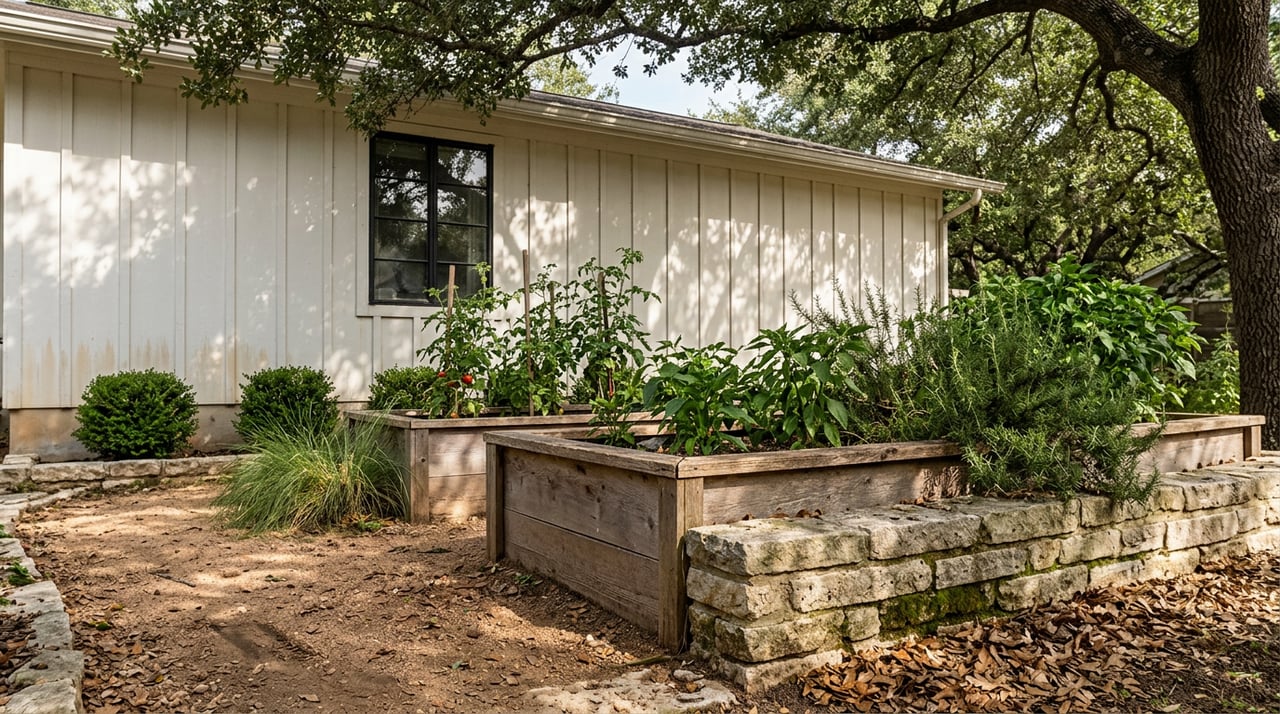
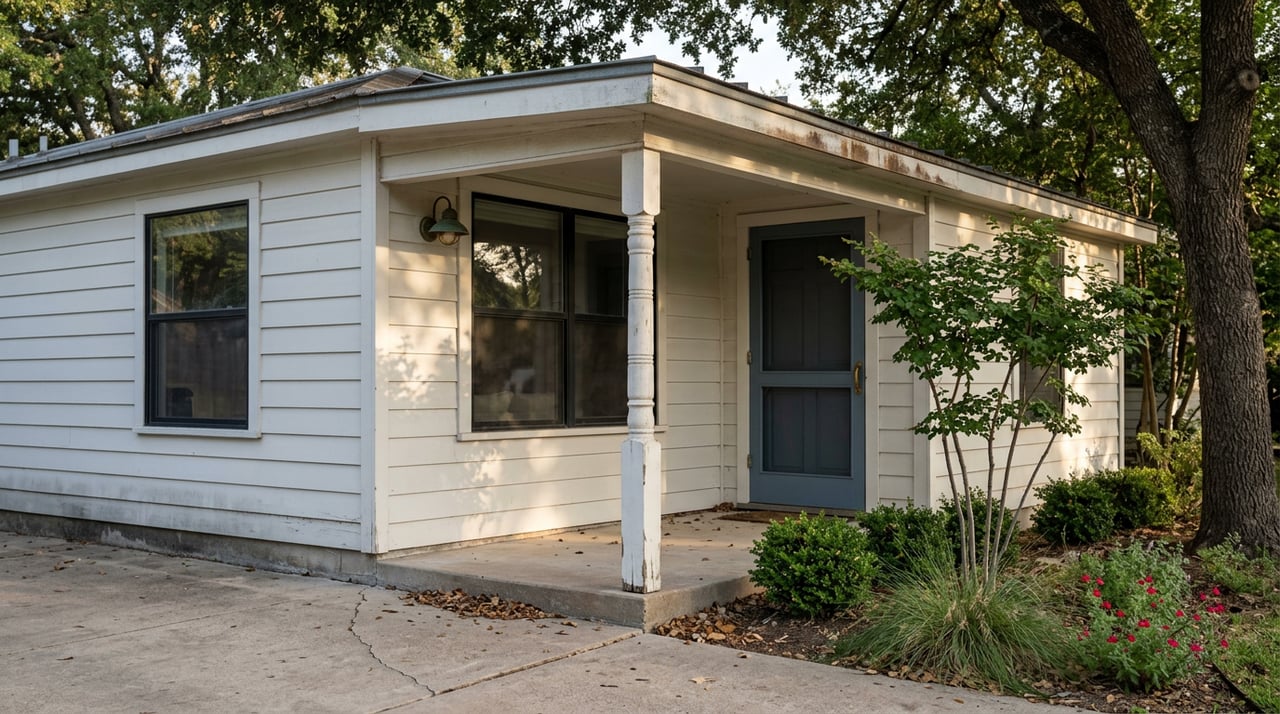
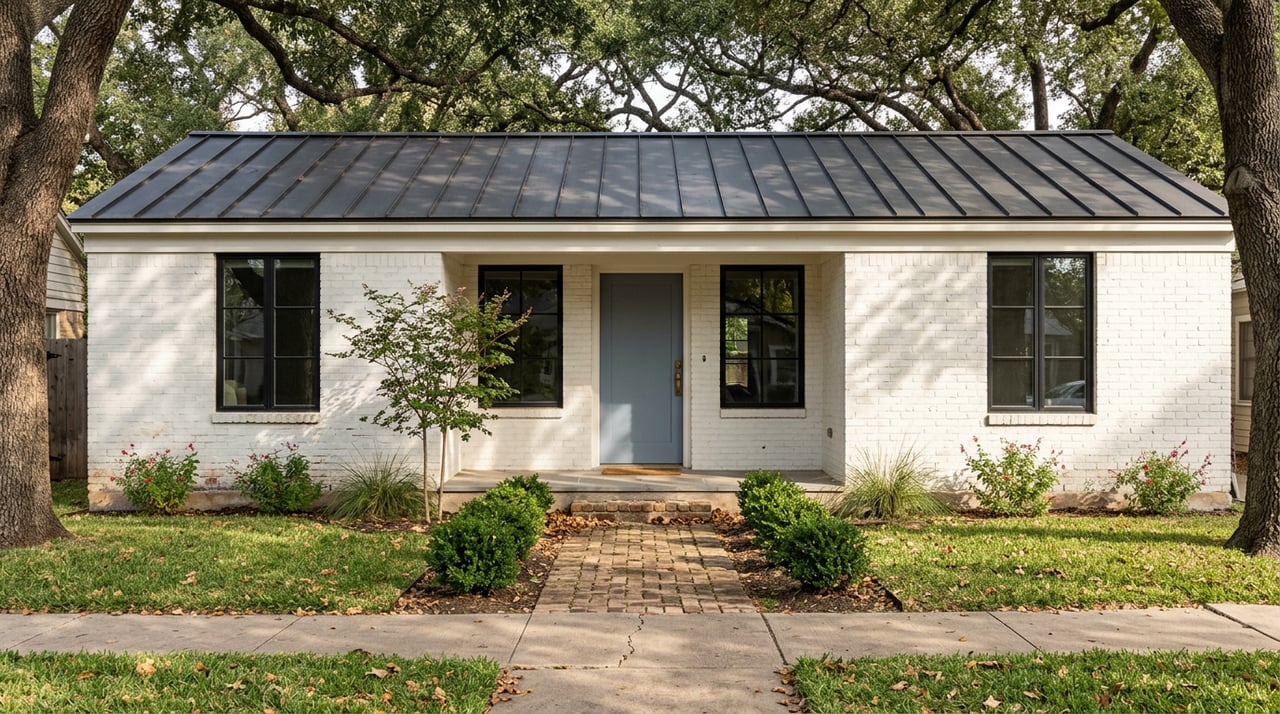
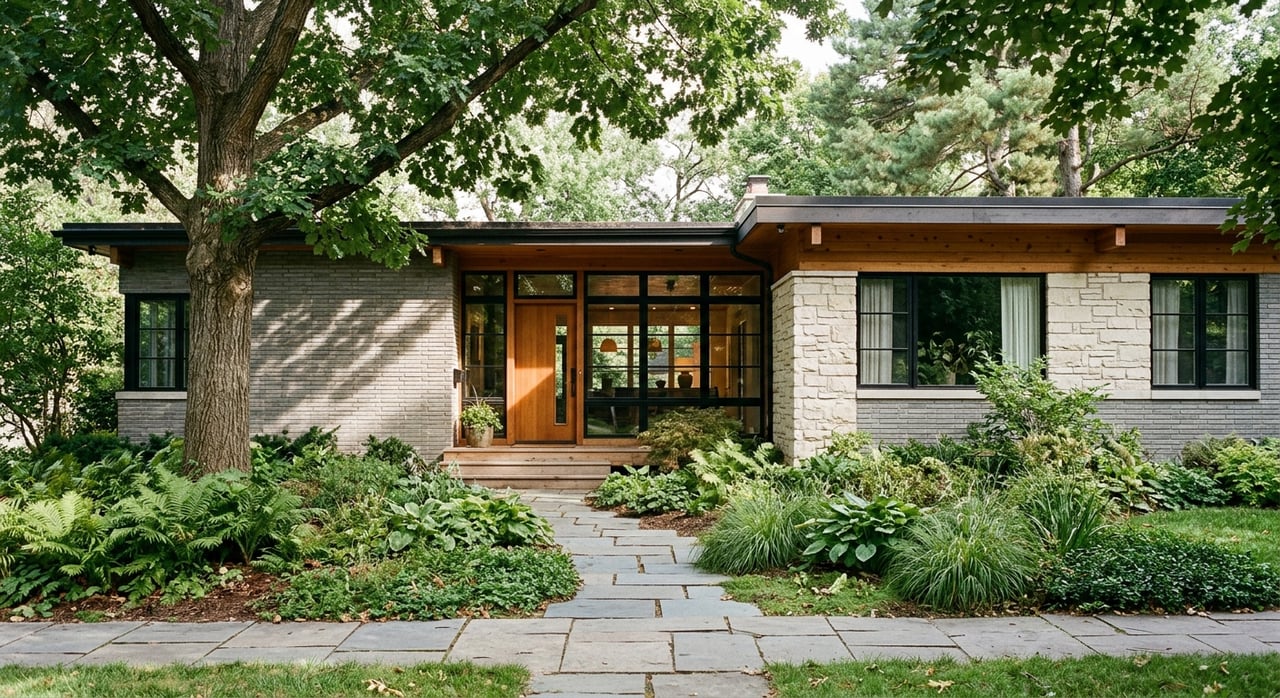
The housing story in Old West Austin is one of the area’s biggest strengths. This is not a one-note neighborhood. You will find historic residential character, preservation-minded streetscapes, and a mix of old and newer homes across the broader 78703 ZIP code.
The National Register listing for the district highlights significance in architecture, community planning, development, and recreation, with periods of significance extending from the 19th century through 1950 to 1974. In practical terms, that means the area’s identity is not limited to one era.
Historic District Feel
The Castle Hill Local Historic District offers a good snapshot of Old West Austin’s housing character. Covering about six blocks, it includes 123 lots and roughly 175 buildings and structures, with more than 100 contributing to the district’s historic character.
Most contributing buildings are single-family residences, though some duplex or multi-family conversions and garage apartments are also part of the mix. The earliest homes include limestone cottages and bungalows, which help explain the classic Austin feel many buyers notice right away.
Old and New Housing Mix
The neighborhood plan also makes room for change in a compatible way. It supports preserving older buildings while allowing new construction that fits the area, along with garage apartments, detached second units, and small-lot development.
That matters if you are trying to understand your options in 78703. Depending on the block, condition, and property type, you may see historic cottages, renovated homes, later-20th-century residences, infill opportunities, condos, and higher-end remodels.
What Prices Look Like in 78703
Price expectations in 78703 require context. As of May 2026, Redfin reported a median sale price of $1,351,599, a median price per square foot of $615, and a median of 42 days on market.
Those numbers suggest a market that is still highly valued but not operating as a nonstop sprint. Redfin also reported a 96.2% sale-to-list ratio, which points to a market where pricing and property-specific positioning still matter.
The recent sales range within 78703 is also wide. Reported sold properties included a $409,000 condo, multiple homes in the roughly $1 million to $2 million range, and a $4.1 million property.
That spread is important if you are considering a move here. In this ZIP code, price depends heavily on property type, updates, lot size, and exact location within the neighborhood rather than the ZIP code alone.
Who Old West Austin Fits Best
Old West Austin tends to appeal to buyers who want a central location with a true neighborhood feel. If you value being near cafés, parks, and established residential streets, this area can offer a lifestyle that feels both active and grounded.
It can also be a strong fit if you appreciate homes with character and want more nuance than a newer planned community can provide. The mix of historic fabric, local businesses, and outdoor access gives the area a distinct identity that is hard to replicate.
For sellers, that same combination often helps shape the story of a home. In a neighborhood like this, buyers are not just comparing square footage. They are also responding to block-by-block character, proximity to daily conveniences, and the experience of living in a walkable part of central Austin.
If you are exploring Old West Austin or the broader 78703 market, working with an advisor who understands the nuances of central Austin can make the search much more focused. For a private consultation about buying or selling in this part of Austin, connect with Greg Walling.
FAQs
What makes Old West Austin walkable for buyers in 78703?
- Old West Austin includes neighborhood-friendly commercial corridors along West Lynn, West 5th and 6th Streets, and parts of Lamar, and the City of Austin notes that many residents walk to businesses in the West Lynn area.
What parks are near Old West Austin homes?
- Key nearby outdoor spaces include Pease Park, West Austin Neighborhood Park, Mary Frances Baylor Clarksville Pocket Park, Don Baylor Neighborhood Park, Johnson Creek Greenbelt, and Shoal Creek Greenbelt.
What types of homes are common in Old West Austin?
- The area includes historic cottages, bungalows, single-family residences, some duplex or multi-family conversions, garage apartments, condos, and newer infill or remodeled homes depending on the block and property type.
What is the price range like in 78703 real estate?
- Recent 78703 sales have ranged from a $409,000 condo to homes in the $1 million to $2 million range and up to a reported $4.1 million property, showing a broad mix of product types and price points.
Why is Pease Park important to Old West Austin lifestyle?
- Pease Park provides 84 acres of outdoor space in central Austin, and Kingsbury Commons adds everyday amenities like play areas, a water feature, an amphitheater, and other activity spaces that support regular neighborhood use.