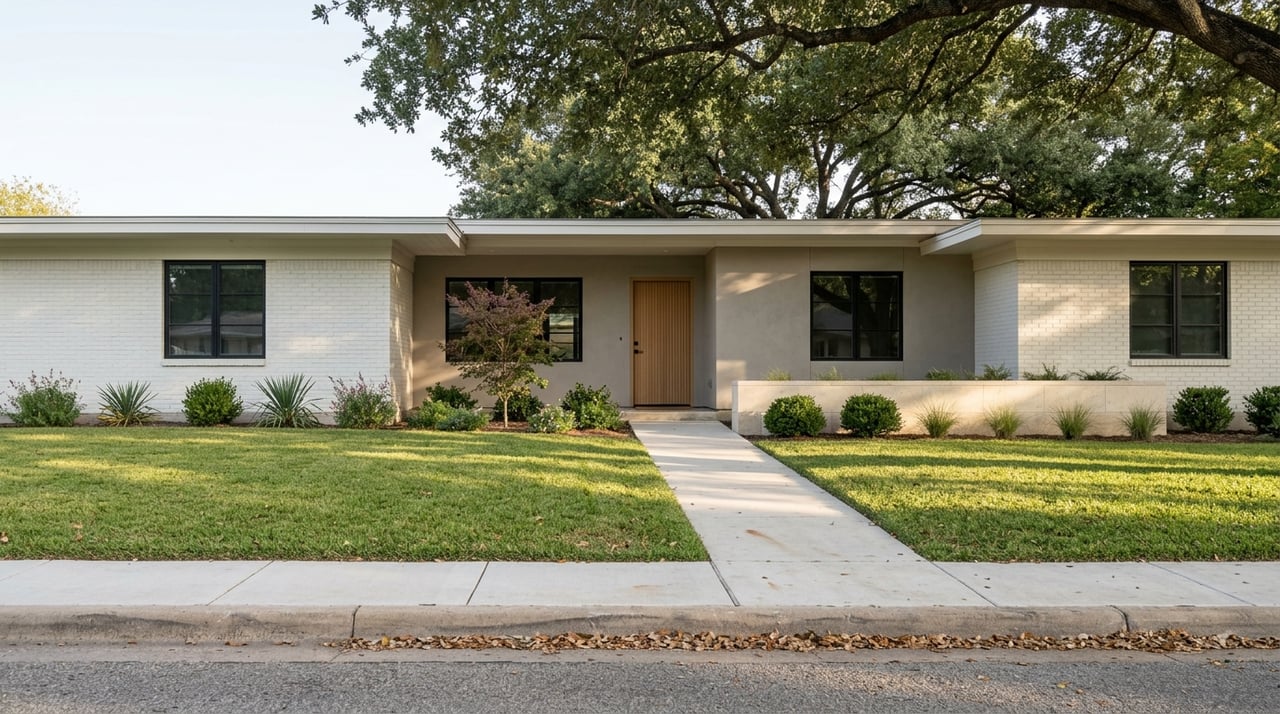
If you want central Austin access without giving up trees, trails, and a more tucked-away residential feel, Barton Hills stands out right away. This is the kind of neighborhood where outdoor time can be part of your daily routine, and where nearby dining and classic Austin destinations are part of the appeal. If you are considering a move or thinking about selling here, understanding what makes Barton Hills distinct can help you make a smarter decision. Let’s dive in.
Why Barton Hills draws attention
Barton Hills is a small residential community in south Austin along Barton Creek. The Barton Hills Neighborhood Association describes it as a centrally located, mature, and cohesive neighborhood, with boundaries that generally stretch from Barton Springs Road and Azie Morton Road to Rabb Road, Rae Dell, Barton Skyway, South Lamar Boulevard, and Barton Creek.
That setting helps explain the neighborhood’s identity. Barton Hills is closely tied to its natural surroundings, and the neighborhood association has long focused on land use, traffic control, environmental protection, and Barton Creek preservation. For you as a buyer or seller, that means the outdoor setting is not just a feature. It is part of the character of the area.
Trails and parks near Barton Hills
For many people, the biggest draw is simple: you are close to some of Austin’s most recognized outdoor spaces. Barton Hills offers easy access to trails, water, and parkland while still feeling connected to the center of the city.
Barton Creek Greenbelt access
The Barton Creek Greenbelt is the signature outdoor amenity for this area. According to Austin Parks and Recreation, the Greenbelt offers more than 12 miles of trail with hiking, biking, and swimming holes.
Barton Hills-adjacent access points include Barton Hills School Park at Homedale Drive and Gus Fruh at Barton Hills Drive. There is also the nearby Zilker and Barton Creek Greenbelt trailhead, which adds to the neighborhood’s convenience if you like to get outside before or after work or on weekends.
Zilker Park next door
Barton Hills also sits next to Zilker Metropolitan Park, one of Austin’s best-known park destinations. The City of Austin describes Zilker as a hub that includes Barton Springs Pool, Zilker Botanical Garden, the Austin Nature and Science Center, Zilker Hillside Theater, the Ann and Roy Butler Hike and Bike Trail, and Barton Creek Trail.
That proximity gives Barton Hills a lifestyle advantage that is easy to understand. Instead of planning a full outing across town, you are already close to places many Austinites build their weekends around.
Barton Springs Pool and Violet Crown Trail
Barton Springs Pool adds another layer to the neighborhood’s appeal. The City says it is a three-acre pool in Zilker Metropolitan Park fed by underground springs, which helps make it one of the area’s most recognizable destinations.
The Violet Crown Trail also begins at the Barton Creek Greenbelt entrance at Zilker Park and is planned to extend south toward Hays County. For buyers who want a home base tied to Austin’s outdoor culture, that kind of access can be a meaningful part of the decision.
Dining near Barton Hills
Barton Hills is primarily residential, but nearby dining options help create a close-in neighborhood feel. Two nearby corridors, South Lamar and Barton Springs Road, offer a mix of long-standing Austin favorites and well-known local restaurants.
South Lamar options
South Lamar gives you access to a broad range of dining just minutes from Barton Hills. Matt’s El Rancho at 2613 South Lamar is one of the area’s legacy names, with a history in Austin dating back to 1952 and its current South Lamar location open since 1986.
Odd Duck at 1201 South Lamar adds another well-known option nearby. Together, these spots show how easy it is to move between a quiet residential setting and a lively dining corridor without going far.
Barton Springs Road favorites
Barton Springs Road offers its own set of recognizable local stops. El Alma Barton Springs at 1025 Barton Springs Road is one nearby option, and Sandy’s at 603 Barton Springs Road brings a more classic Austin feel, noting it has served Austin since 1946.
For you as a resident, that mix matters. It means everyday convenience and familiar local character are both part of the neighborhood experience.
Homes and architecture in Barton Hills
One of the most interesting things about Barton Hills is that it does not feel visually one-note. The neighborhood has layers, and those layers show up clearly in the housing stock.
Midcentury roots
Barton Hills was platted in 1956 as a subdivision in six sections. The Barton Hills Neighborhood Association notes that a 1955 USGS map showed very few homes east of Barton Creek before development accelerated, and the neighborhood eventually planned 1,585 lots across 535 acres.
Some of the area’s earliest notable homes include A.D. Stenger’s midcentury contemporary houses, especially along Rundell Place and Airole Way. SAH Archipedia describes these homes as ranch-style and informal in layout, with open living spaces that reflect the modernist ideas of the period.
Remodels and newer custom homes
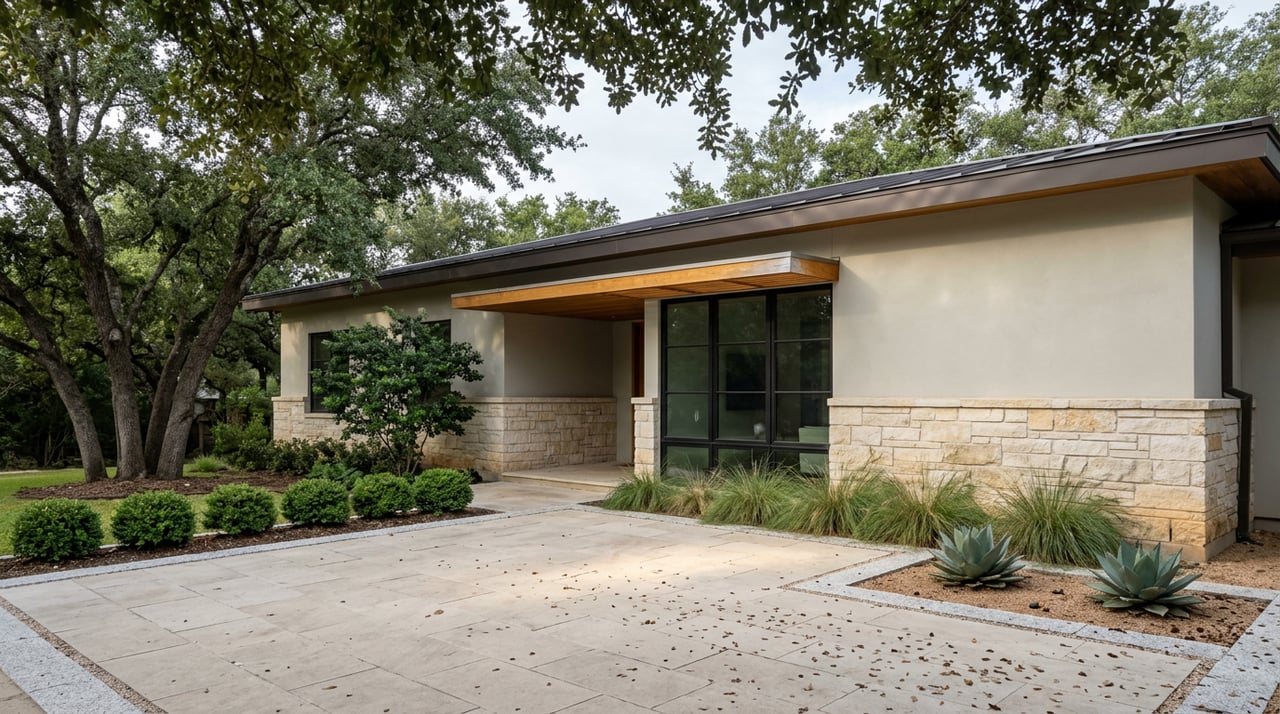
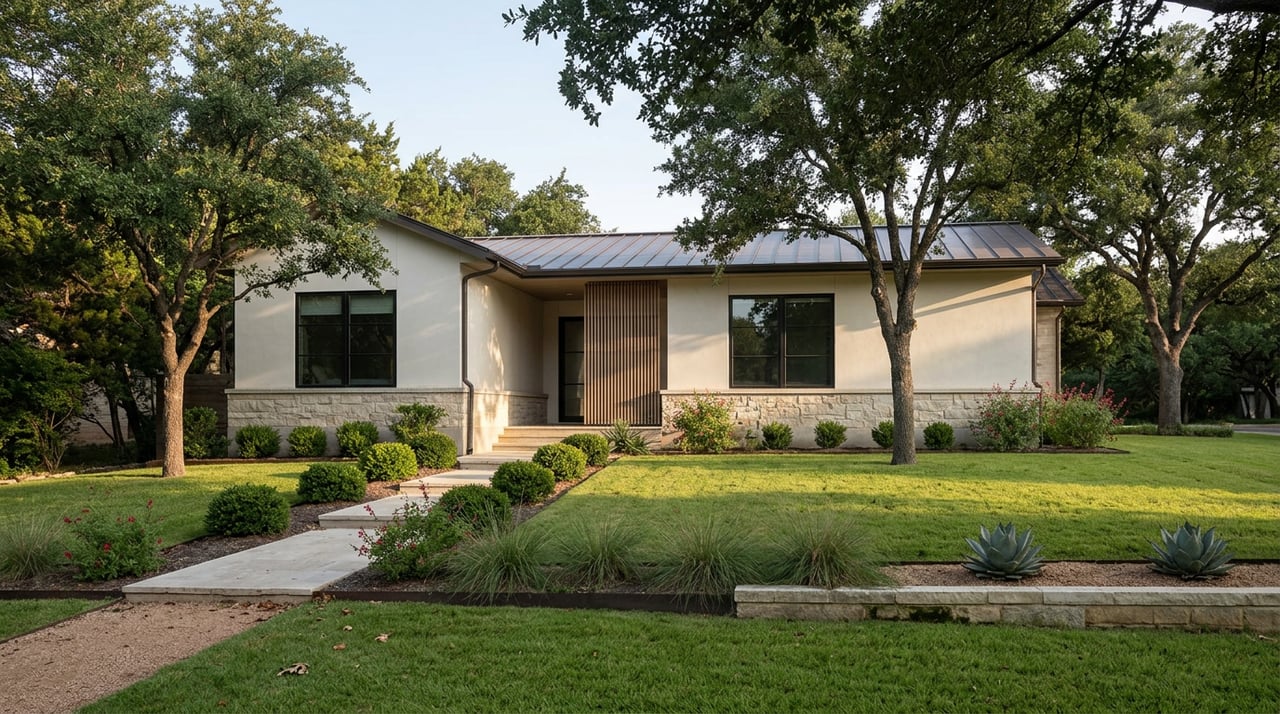
That midcentury foundation now sits alongside remodeled homes and newer custom construction. Recent AIA Austin Homes Tour entries in Barton Hills include Barton Hills Brickhouse, identified as new construction, and Casa Colibri, described as a quiet retreat built into the hillside with expansive glass opening to the trees.
This variety is a big part of the neighborhood’s appeal. Rather than seeing the same house style block after block, you are more likely to find a mix of original architecture, updated homes, and newer custom designs.
How lot character shapes value
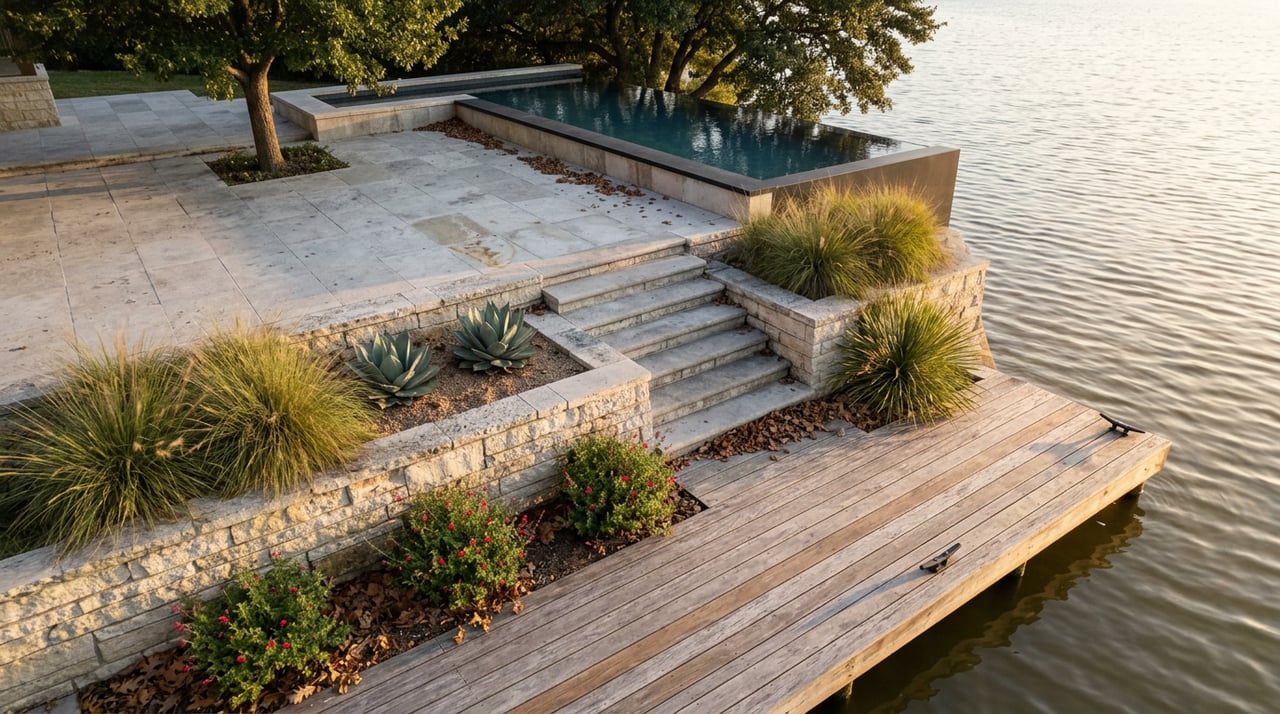
In Barton Hills, the lot often matters as much as the house itself. Hilly terrain, mature trees, privacy, views, and greenbelt adjacency can all influence how a property lives and how buyers respond to it.
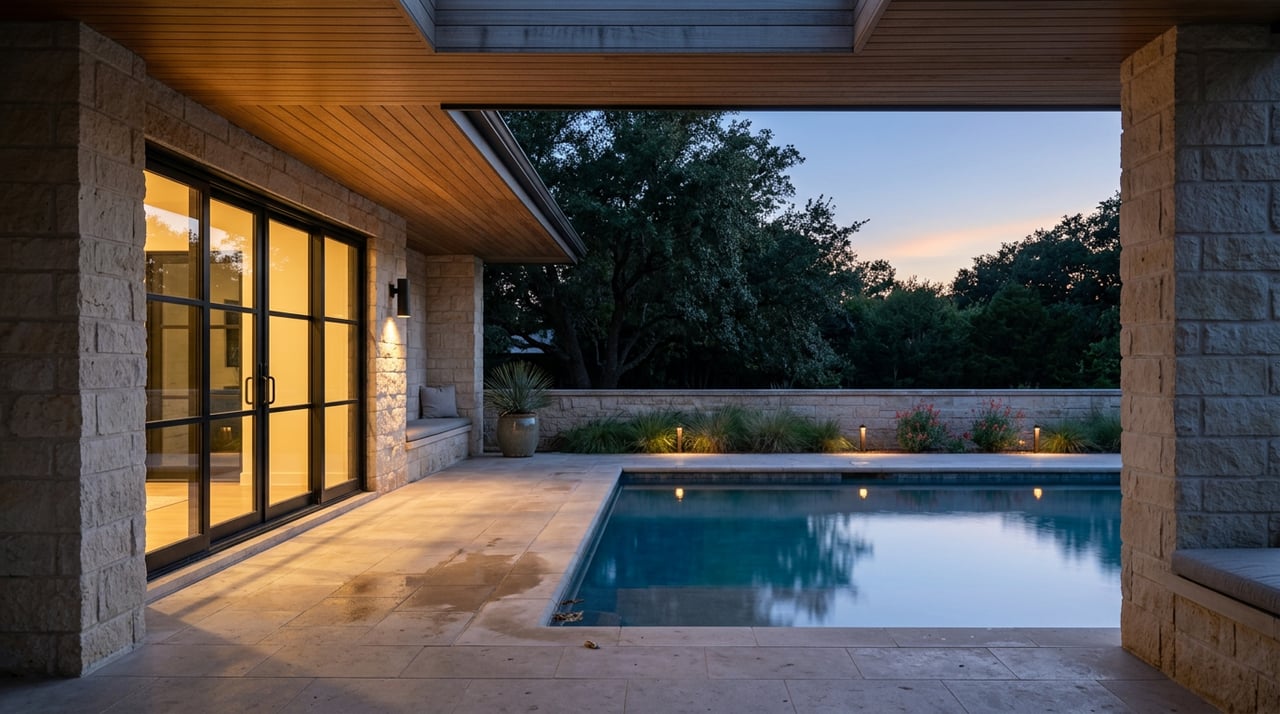
That also means two homes with similar square footage can feel very different in person. Indoor-outdoor flow, tree canopy, natural light, and the relationship to the slope or surrounding greenery can all play a major role in how a home is experienced.
What buyers should consider
If you are considering Barton Hills, the neighborhood tends to be especially appealing when your priorities include trail access, park proximity, and a central Austin address that still feels residential and nature-oriented.
It helps to look beyond square footage alone. In a neighborhood like this, the details that often matter most include:
- Distance to Greenbelt access points
- Proximity to Zilker destinations
- Lot slope and usability
- Tree coverage and privacy
- Original midcentury character versus updated finishes
- Indoor-outdoor design and window placement
Because housing styles vary, it is important to compare homes in context. A classic midcentury house, a heavily remodeled property, and a new custom home may all appeal to different buyers, even on nearby blocks.
What sellers should highlight
If you own a home in Barton Hills, your property story often starts with setting and character. Buyers are often drawn to features that connect the home to the neighborhood’s natural environment and architectural variety.
The most marketable themes here typically include:
- Mature trees and canopy
- Greenbelt or trail adjacency
- Hillside siting or view potential
- Updated indoor-outdoor flow
- Distinctive midcentury architecture
- Newer custom design elements
For sellers, thoughtful positioning matters because Barton Hills is not a cookie-cutter neighborhood. The right presentation should help buyers understand not only the home itself, but also how the property fits into the broader Barton Hills lifestyle.
Why Barton Hills feels distinct
Barton Hills offers something that can be hard to find in central Austin: a residential neighborhood with a strong connection to nature, established character, and quick access to some of the city’s most recognized parks and dining areas. It feels close to everything, but not in a way that loses its sense of place.
For buyers, that can mean finding a home where trails, green space, and local dining become part of your regular routine. For sellers, it means your home may offer more than an address alone. It may offer a setting and lifestyle that are deeply tied to what people already love about this part of Austin.
If you are considering a move in Barton Hills, working with a local advisor who understands the neighborhood block by block can make the process more focused and less stressful. To schedule a private consultation, connect with Greg Walling.
FAQs
What is Barton Hills known for in Austin?
- Barton Hills is known for its residential setting along Barton Creek, close access to the Barton Creek Greenbelt, proximity to Zilker Metropolitan Park, and a mix of midcentury homes, remodeled properties, and newer custom construction.
What outdoor amenities are near Barton Hills?
- Nearby outdoor amenities include the Barton Creek Greenbelt, Barton Springs Pool, Zilker Metropolitan Park, the Ann and Roy Butler Hike and Bike Trail, Zilker Botanical Garden, and the Austin Nature and Science Center.
What kinds of homes are in Barton Hills?
- Barton Hills includes original midcentury homes, remodeled houses, and newer custom builds, often on hilly, tree-filled lots where privacy, views, and indoor-outdoor design can vary from one property to the next.
What dining areas are close to Barton Hills?
- The main nearby dining areas are South Lamar and Barton Springs Road, where you will find a mix of long-running Austin institutions and well-known local restaurants.
Why do buyers consider Barton Hills?
- Buyers often consider Barton Hills for its combination of trail access, park proximity, central Austin location, residential feel, and housing variety tied to the area’s natural setting.