Walk West 35th Street on a Tuesday evening and you will have trouble finding parking after 7 PM. That was not true a year ago. The corner at 1615 West 35th sat as a Burger King for decades, one of those fast-food lots that blends into the background of a drive to the grocery store. Today it holds a walnut wine wall, roll-up garage doors, and a patio that stays full past sunset. Nothing about the houses around it changed. That is the part worth sitting with.
Bryker Woods has spent more than forty years organized around a simple idea: protect the bones of the neighborhood and be selective about what gets built inside them. The Bryker Woods Neighborhood Association formed in 1983 specifically because residents were worried about development pressure changing the character of their streets. The group wrote one of the city's first neighborhood planning documents in 1987. For most of that history, resistance to change was the headline. What gets missed is that the same neighborhood has been quietly hungry for exactly one kind of change: somewhere to actually sit down.
Two Locations, One Corner Built to Fit
The wine café now occupying that old fast-food lot is Postino, an Arizona-based chain that arrived in Austin in 2024 with its first location on South Lamar. On August 4, 2025, its second Austin location opened in Bryker Woods, in a converted 3,950-square-foot space built out with mid-century furnishings and a custom walnut wine wall designed specifically for the site, according to do512's coverage of the opening. Tribeza described the finished space as blending funky charm with sophisticated details, calling it an ideal hangout for everything from casual lunches to evening wine dates. Landing a second Austin location within its first two years in the city tells you something about how the brand reads Central Austin: it is betting that neighborhoods like this one have been underserved for casual, sit-down gathering spots for longer than anyone admitted out loud.
CultureMap Austin's reporting on the opening noted that the location sits beside a Kerbey Lane Cafe, the Seiders Springs Greenbelt, and Shoal Creek, which is a fair description of how residential this stretch actually is. Upward Projects CEO Lauren Bailey said the company designed the space to reflect the character of the area, calling it inviting and full of small moments of surprise. For its first month open, the restaurant donated a dollar from every bruschetta board sold to Friends of the Children Austin, a local youth mentoring nonprofit, and hosted an in-person visit from the organization that August.
The pricing is worth knowing if you have not been yet. Every day until 5 PM, glasses of wine and pitchers of beer run $6. On Monday and Tuesday nights after 8 PM, a bruschetta board plus a bottle of wine runs $25. Those are not promotional teaser rates. They have held since opening.
The Corridor Everyone Already Knew About
Postino did not create foot traffic on West 35th Street. It filled a gap in a corridor that already had three institutions doing quiet, steady work. Kerbey Lane Cafe's location here is the original, opened in 1980, decades before the chain expanded across the city. Tiny Boxwoods sits nearby with a garden patio that has become a standard lunch-with-friends or date-night spot. Tiny's Milk & Cookies runs a walk-up window for baked goods and ice cream that turns a short walk into an errand worth taking.
| Spot | Known for | Best time to go |
|---|---|---|
| Kerbey Lane Cafe (original location) | The 1980 flagship of the Austin chain | Weekend mornings |
| Tiny Boxwoods | Seasonal plates, garden patio | Lunch or an evening date |
| Tiny's Milk & Cookies | Walk-up window, baked goods, ice cream | Afternoon or after dinner |
| Postino Bryker Woods | Bruschetta boards, daily happy hour | Weeknights before 5 PM |
What changed with Postino is not the ingredients of the corridor but the hours it stays useful. A weeknight happy hour crowd did not have anywhere to land here before. Now it does, and the parking count on a Tuesday tells the story better than any press release could.
The Trail Does Not Care What Is Open
None of this replaces the other habit that defines daily life here, which runs on foot or bike rather than by the glass. The Shoal Creek Trail forms the neighborhood's eastern edge and runs south all the way to Lady Bird Lake, where it connects with the Ann and Roy Butler Hike-and-Bike Trail. Along the way it passes Seiders Springs and Pease District Park, two green spaces that turn a straightforward commute into something closer to a break from the day. CapMetro buses run along 35th Street too, connecting riders north toward the Domain and south toward the University of Texas, which means the corridor works for people without a car on a given afternoon as much as it does for people parking for dinner.
Closer to home, Bailey Park does the daily work that a splashy new restaurant cannot. It has a playground, tennis courts, open grassy fields, and a splash pad that Austin Parks and Recreation runs seasonally from May 1 through October 31, with daily hours from 9 AM to 8 PM. For households with young kids, that is the kind of detail that shapes an entire summer more than any single restaurant opening does.
As one local write-up of the Postino opening put it, the neighborhood had long been a place that was, in its words, "surprisingly overlooked" for exactly this kind of casual gathering spot despite being a five-minute drive from downtown. The description holds. Bryker Woods has never lacked green space or old-guard institutions. It lacked a reason to stay out past dinner.
A Calendar the Neighborhood Runs Itself
The social rhythm here does not depend on any single business either. The neighborhood association hosts a handful of traditions that show up on the calendar every year regardless of what opens or closes on 35th Street.
- The Fourth of July Parade. Neighbors gather at Bryker Woods Elementary School for coffee before the parade starts around 9 AM. Bikes, scooters, wagons, and even pets get decorated the evening before at a rotating host house. The route takes about half an hour to walk, and it ends with water and refreshments for everyone who showed up.
- National Night Out. Most U.S. communities hold this the first Tuesday in August, but the City of Austin observes it on the first Tuesday in October instead, a swap Texas has made because of the heat. This year's citywide date lands on October 6, 2026. The neighborhood association hosts its own informal gathering on one of the local streets to mark it.
- The Witches' Halloween Ride. A costumed bike ride through the neighborhood streets, timed to the season and requiring nothing more than a costume and a bike.
None of these events need a permit from the city or a marketing budget. They run because a volunteer association has kept them alive since the early 1980s, the same decade the group formed to keep development pressure from reshaping the neighborhood in the first place.
What Actually Changed Here
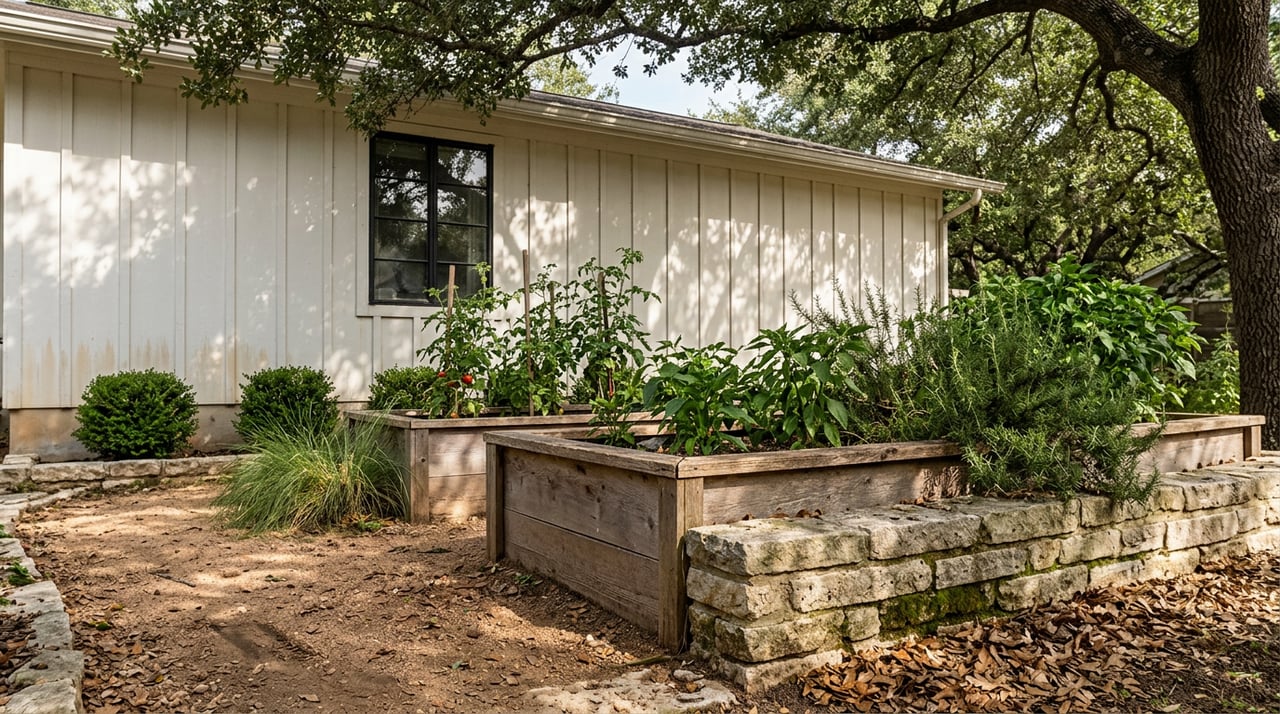
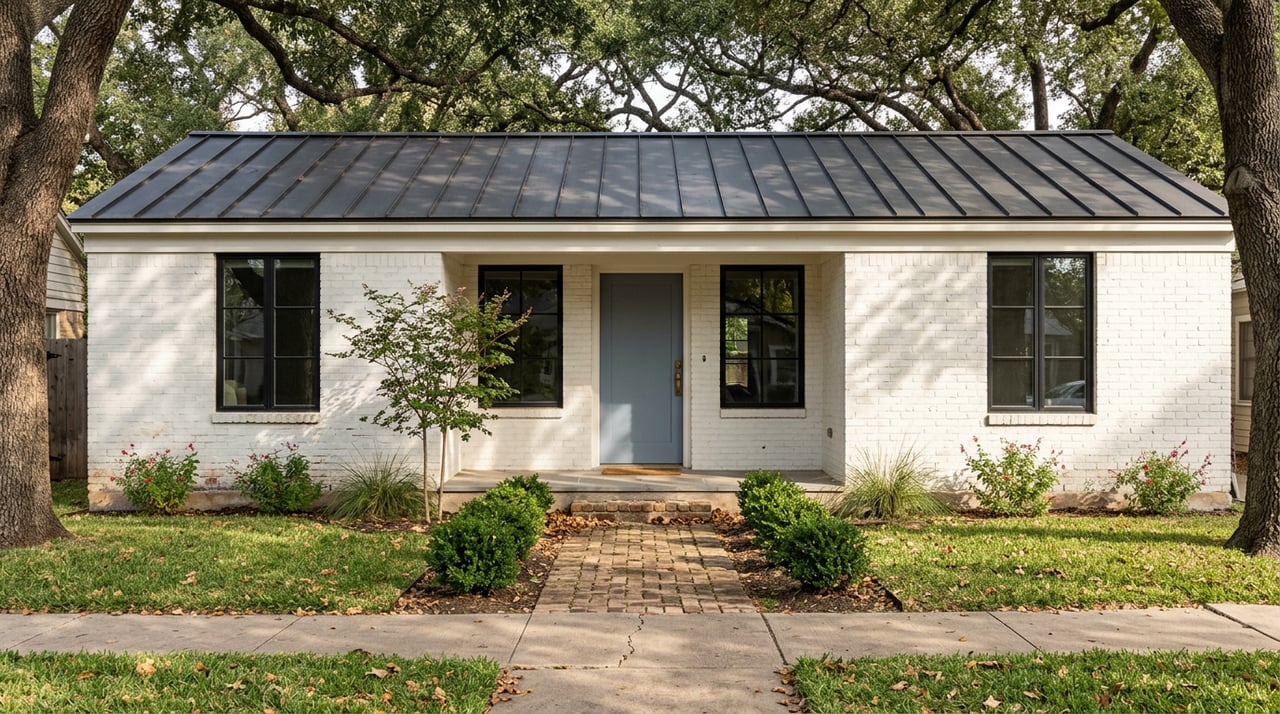
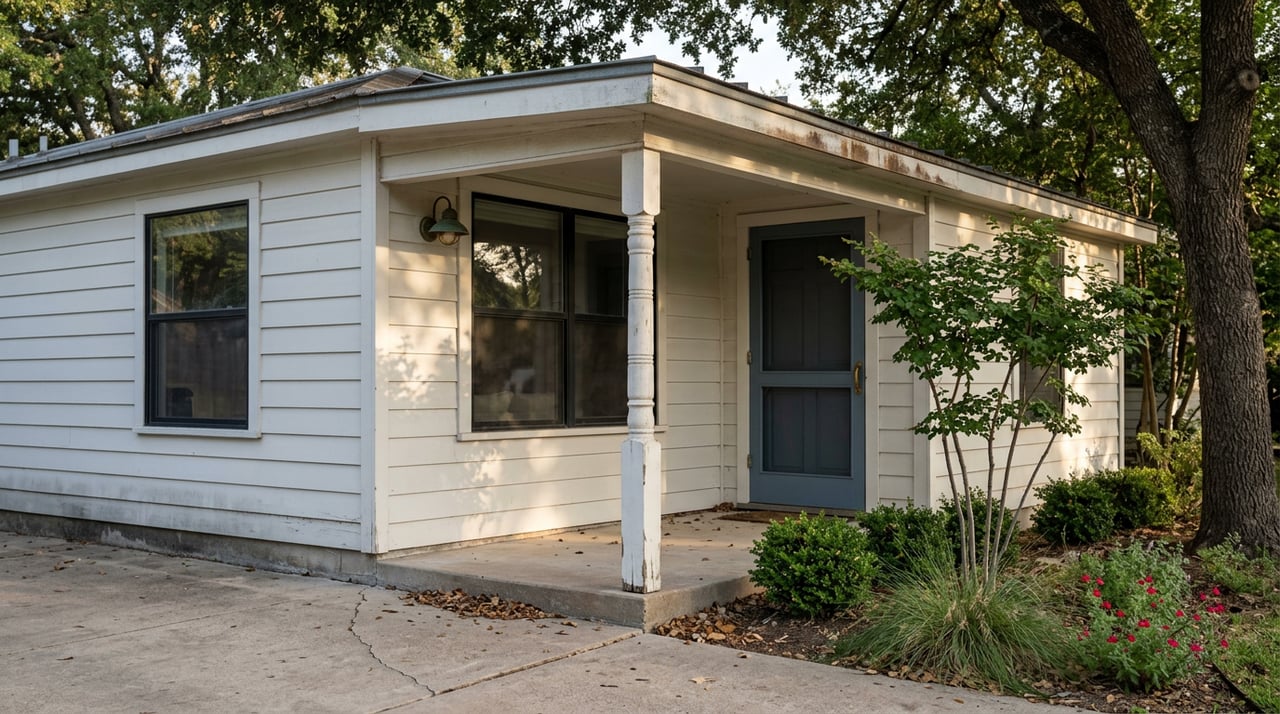
The lesson in Bryker Woods is not that a wine bar arrived. It is that a neighborhood built around resisting change turned out to be perfectly comfortable with the right kind. The houses along these streets are still mostly the 1930s and 1940s bungalows the neighborhood was built with. The lot sizes have not grown. The association still exists to push back on redevelopment that does not fit. But a fast-food corner became a wine café with a design built specifically for this block, and the neighborhood absorbed it without any of the friction that usually accompanies new commercial development in an established residential area.
That distinction matters if you are trying to understand what a place like this actually values. It is not opposed to new things showing up. It is opposed to new things that do not know where they are. Postino tested its concept on South Lamar first and brought the second version to Bryker Woods once it had a design built around the block it was landing on, and the neighborhood met it halfway.
If you already live here, none of this requires you to do anything differently. Keep parking a block over on busy nights. Keep the Shoal Creek Trail in your Saturday rotation. But if you are the kind of person who reads a post like this and starts wondering what else has quietly shifted in a neighborhood you thought you already knew, that curiosity is worth following.
For anyone weighing a future move into Bryker Woods or nearby pockets of Central Austin, Greg Walling has spent decades watching these small, specific changes accumulate into something larger. If you would like a conversation about what a neighborhood like this actually offers day to day, schedule a private consultation whenever the timing feels right.