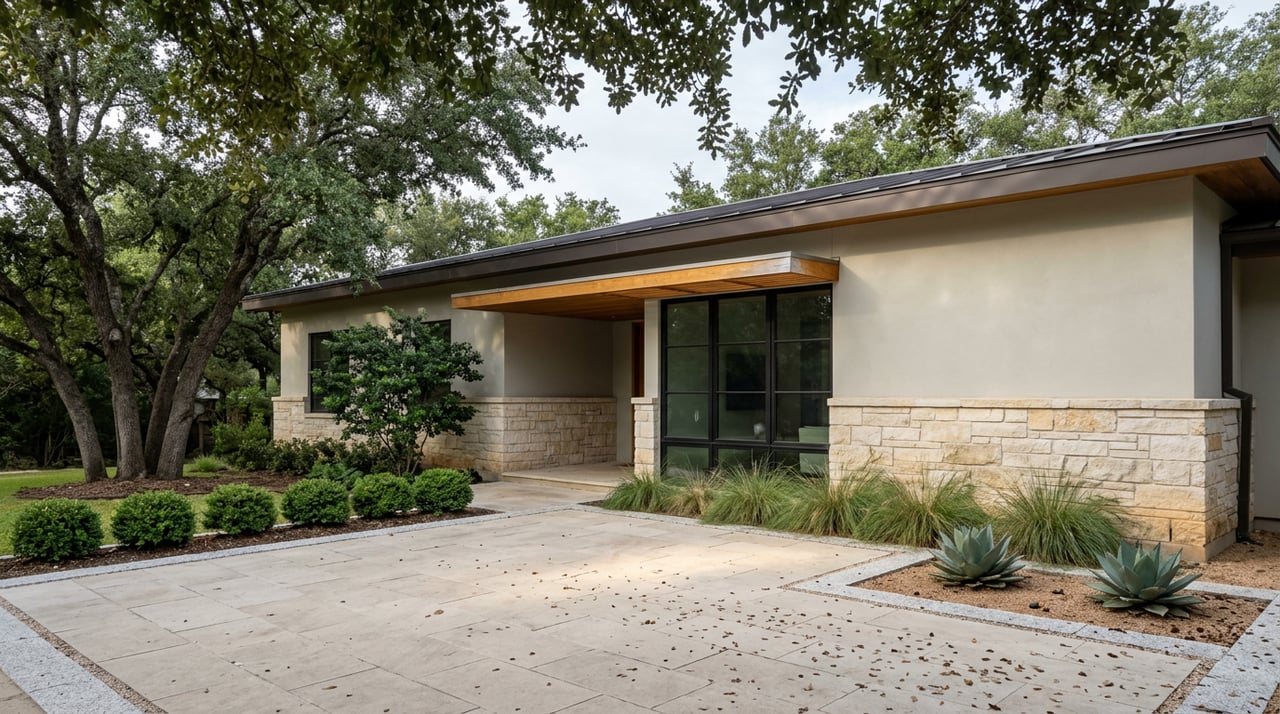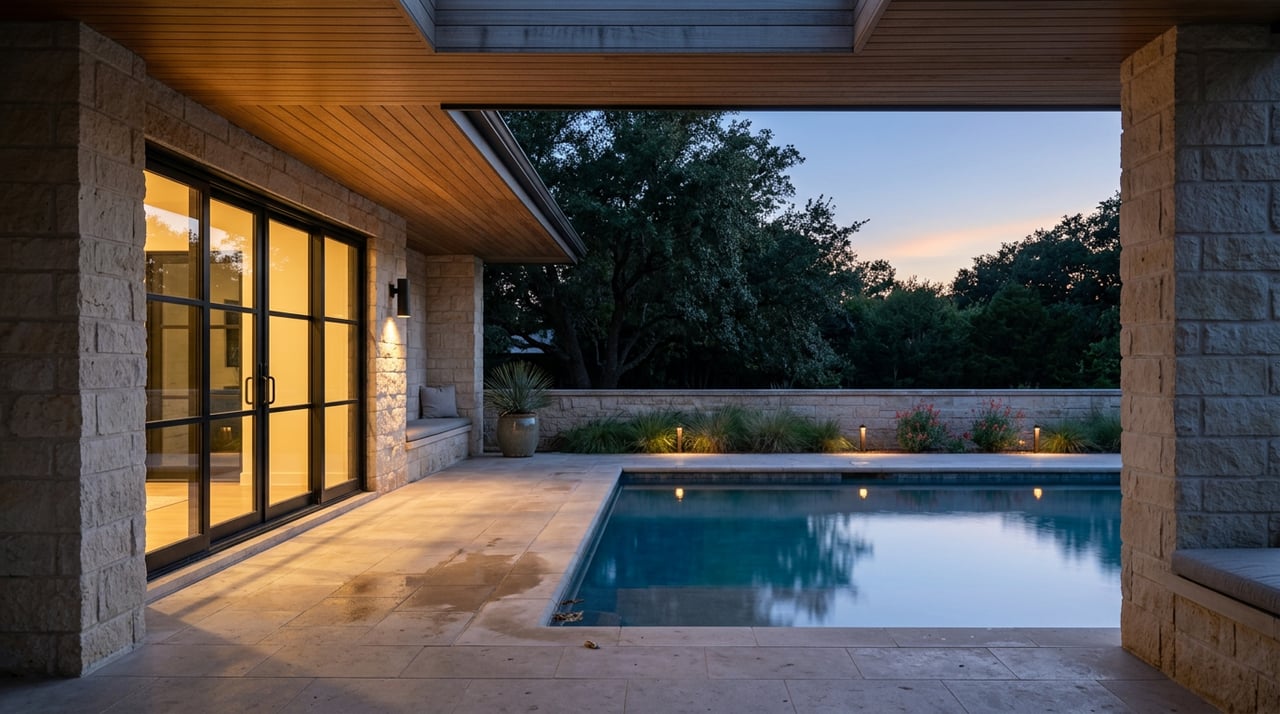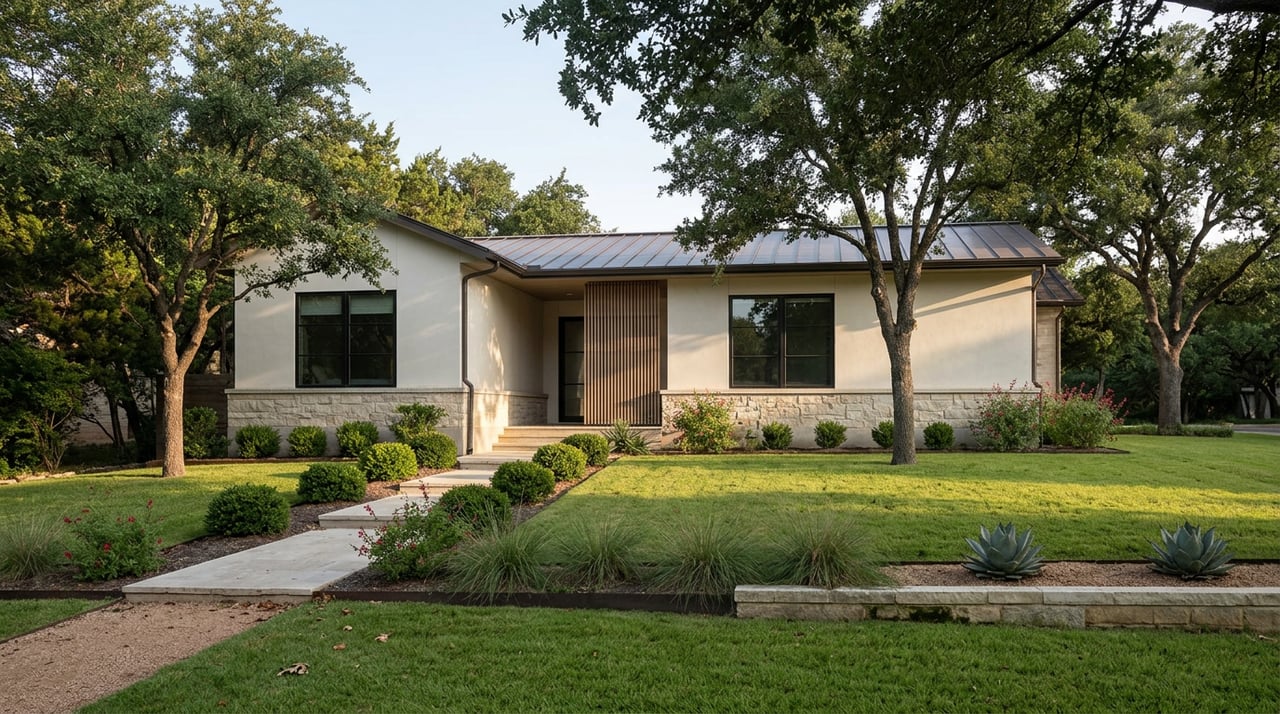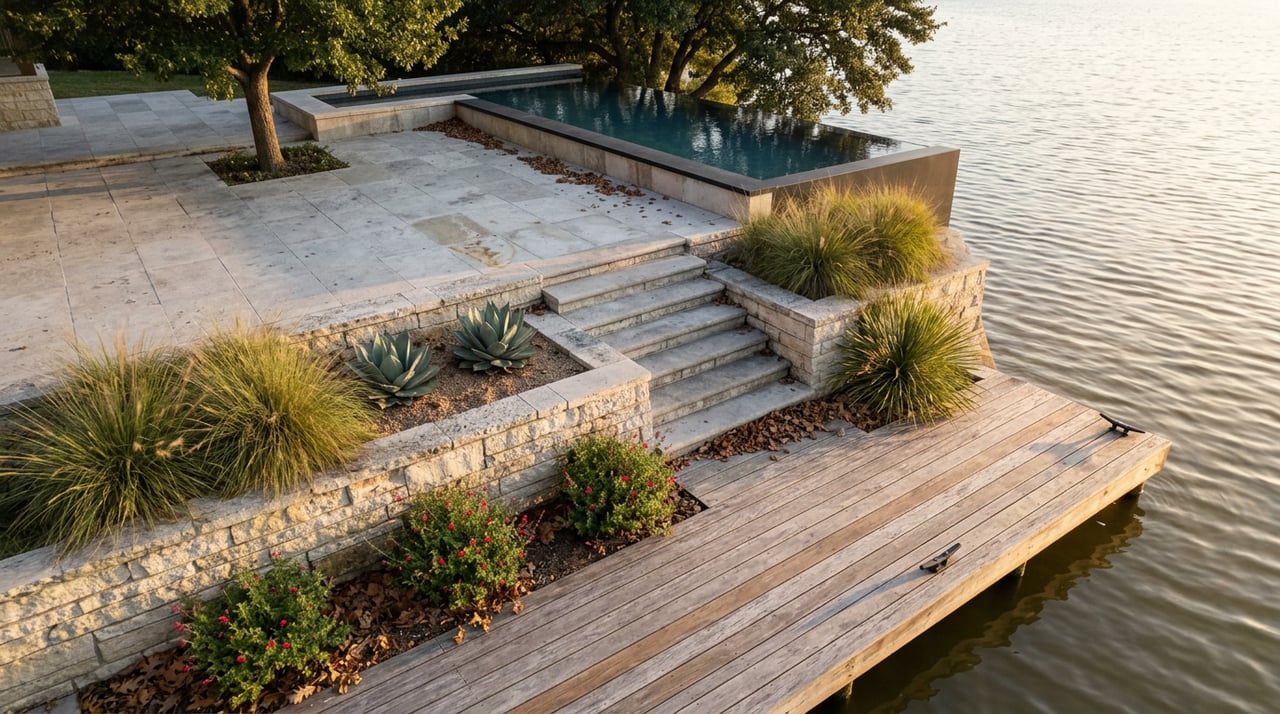
Trying to decide between Bee Cave and Lakeway? You are not alone. Both deliver the West Austin lifestyle, but they offer different rhythms to your day, different commutes, and different ways to enjoy the outdoors. In this guide, you will learn how each area lives, where they differ on housing, commute routes, retail, schools, and rules, and how to test-drive both before you choose. Let’s dive in.
Bee Cave vs. Lakeway at a glance
Bee Cave sits on the edge of the Hill Country with a more compact footprint and a fast-growing retail and dining core around Hill Country Galleria. You get newer mixed-use spaces, townhomes and single-family neighborhoods close to everyday services and Westlake corridors.
Lakeway lines the south shore of Lake Travis and leans into a resort feel. Many neighborhoods are oriented to marinas or golf, with larger lots and a quieter residential setting in several pockets. If being near the water sets your weekend plans, Lakeway puts you closer to launch ramps, waterfront parks, and lakefront dining.
Key decision drivers usually include commute reliability, housing style and lot size, lake access versus Hill Country trails, school considerations by address, and how much you want a concentrated shopping and dining hub versus dispersed neighborhood centers.
Housing and neighborhoods
Bee Cave homes: newer builds and mixed-use
In Bee Cave you will see predominantly newer single-family homes, townhomes, and some condos within mixed-use developments. Many subdivisions feature smaller lot footprints that trade yard size for proximity to shopping, dining, and entertainment. Luxury new construction is increasing, especially near the Galleria and along primary corridors.
Lakeway homes: waterfront and golf options
Lakeway offers a wider mix that includes waterfront homes, golf-course properties, and gated master-planned communities. Lots often run larger than in Bee Cave, and you will also find condo options near town centers and marinas. Waterfront and golf-oriented properties typically carry a premium over non-water suburban homes.
HOAs and amenities
Both areas include many neighborhoods with HOAs. In Lakeway’s master-planned and gated communities, HOA dues and amenity fees can be more substantial due to pools, club facilities, and marina access. Bee Cave communities around mixed-use centers often have HOA guidelines for shared spaces and exterior standards. Always review HOA documents, fee schedules, and what is included before you decide.
Price signals to watch
Real estate shifts quickly. As a general pattern, Lakeway’s waterfront or golf properties command higher prices, while Bee Cave’s small-lot luxury near Hill Country Galleria often has higher per-square-foot pricing for newer construction. For a current read on median prices, inventory, and days on market, review local MLS or Austin Board of REALTORS reports for a recent quarter and compare by property type and location.
Commute and connectivity
Primary routes and drive patterns
Bee Cave benefits from Bee Cave Parkway and RR 2244 to reach Highway 71 and Ranch Road 620, with relatively direct access into Westlake and the 360 corridor. This can shorten certain west-side commutes.
Lakeway commuters typically feed into RR 620 and then connect to 71 or 360. Because many neighborhoods rely on 620, expect heavier morning and afternoon traffic flows and increased seasonal volume near lake access points.
What to expect in real time
Both cities are car-dependent, and commute times vary widely with departure time. Test your routes using live navigation to major endpoints such as downtown Austin, The Domain, and Westlake employers. Run comparisons during off-peak and peak windows so you understand reliability, not just averages. Note the common choke points on 71 and 360, and plan for weekend lake traffic around 620.
Transit and alternatives
Public transit is limited compared to central Austin. Most residents rely on private vehicles. Some employers offer shuttles, and park-and-ride options can help in specific cases. Micromobility and cycling work best for last-mile segments, not full commutes.
Daily conveniences
Shopping and dining
Bee Cave offers a concentrated, walkable core at Hill Country Galleria with national retailers, local restaurants, a cinema, and services. If you like the idea of parking once for errands, coffee, and dinner, this hub is a strong draw.
Lakeway’s retail is more distributed, with neighborhood centers along 620 and commercial nodes connected to marinas and master-planned communities. You will find dining and services close to home, but they are spread among several centers rather than clustered in one district.
Medical and essentials
Both areas have local clinics and urgent care. For major hospital services, most residents look to the broader Austin network. If daycare, fitness, or specialty groceries matter for your weekday routine, map those from target neighborhoods and test the drive in evening traffic.
Outdoors and recreation
Lake lifestyle in Lakeway
Lakeway’s standout is direct access to Lake Travis. Boating, marinas, fishing, and waterfront parks shape the area’s culture. If weekends on the water are essential, Lakeway puts you closer to launches, storage, and lakeside amenities.
Hill Country access from Bee Cave
Bee Cave positions you by Hill Country trails and preserves like Hamilton Pool, Westcave Preserve, and the Balcones Canyonlands area. Short drives take you to hiking, swimming holes, and scenic overlooks. You are also convenient to West Austin trailheads and parks.
Shared parks and seasonal notes
Both communities maintain municipal parks and recreation facilities. Wildfire risk can rise in hot, dry months, and lake levels can vary seasonally. For waterfront or wildland-adjacent properties, evaluate defensible space, local fire mitigation programs, and floodplain considerations.
Schools and education
Both Bee Cave and Lakeway are primarily served by Lake Travis Independent School District. Some nearby pockets may map into other districts, and assignments change, so verify school zoning by property address with the district’s current attendance maps. Families often review Texas Education Agency school reports and district resources for performance data. Because school zoning can affect long-term value, confirm details early in your search.
Taxes, utilities, and local rules
Property taxes and assessments
Your total property tax obligation combines city, Travis County, school district, and any MUD or utility district rates. HOA assessments are separate. Rates change annually; use the county appraisal district to verify current numbers for each property you consider.
Utilities and connectivity
Water and sewer service can vary by neighborhood. Some homes connect to city systems, while others fall within utility districts or use private systems. Internet and mobile coverage differ by address; check provider availability and speeds for the exact property.
Regulations to review
If short-term rentals are part of your plan, review current city ordinances for each community. Building permits, accessory dwelling unit rules, and septic or well requirements can differ between city and county jurisdictions. For waterfront and low-lying properties, check flood maps and local planning guidance. Police, fire, and EMS services are in place across both cities, and much of western Travis County is served by Lake Travis Fire Rescue.
Who each area fits best
- If your workplace sits in Westlake or along the 360 corridor, Bee Cave often offers a shorter, more reliable commute.
- If your weekends revolve around a boat, marinas, and lakefront parks, Lakeway is typically the better match.
- If you want a concentrated, walkable shopping and dining hub, Bee Cave aligns well.
- If you prefer a quieter residential feel with larger lots and resort amenities, Lakeway checks the boxes.
- If your budget targets new construction with luxury finishes near retail, focus on Bee Cave’s small-lot options.
- For families, both cities commonly feed into Lake Travis ISD; always confirm the exact school assignment by address.
- For downsizers or retirees seeking golf, marinas, and calm evenings, Lakeway tends to fit.
How to choose with confidence
Seeing both areas in motion answers questions that listings cannot. Use these visit plans to compare them under real conditions.
One-day quick visit plan
- 8:00 AM: Start from your typical morning origin and drive into Bee Cave during peak to time the commute.
- 9:00 AM: Tour two Bee Cave neighborhoods and walk a few streets. Park at Hill Country Galleria to sample the retail core.
- 11:30 AM: Drive Bee Cave to Lakeway using commonly used routes. Note mid-day traffic patterns.
- 12:30 PM: Lunch in Lakeway near a marina or town center. If possible, walk a lakeside area.
- 2:00 PM: Tour two Lakeway neighborhoods, including a waterfront or golf community and a neighborhood shopping node.
- 4:30 PM: Drive from Lakeway toward your workplace to experience the PM peak.
- 6:30 PM: Debrief on commute feel, lot sizes, HOA signage, noise levels, and proximity to schools and services.
Two-day deep visit plan
Day 1: Lifestyle and amenities
- Morning: Choose either Bee Cave preserves for a short hike or a Lakeway marina visit or boat tour.
- Afternoon: Meet with a local expert to review neighborhood options and tour several home types.
- Evening: Dinner in each city to compare service hours and evening energy.
Day 2: Practical infrastructure and community
- Morning: If possible, visit a school campus or attend a public walkthrough. Map out daycare and grocery options.
- Midday: Stop by city hall or the planning department to ask about permits, short-term rental rules, and future development.
- Afternoon: Speak with an HOA representative or property manager about fees and community standards.
- Evening: Run a peak-time commute into your likely work location.
What to check on every tour
- Place a call and run a quick internet speed test at the property.
- Ask for recent utility bills, property tax statements, and HOA fee schedules.
- Confirm whether the property is in any flood zone and review wildfire defensible space.
- Verify the school attendance zone by property address with the district.
- Ask planners about any large projects or rezoning nearby.
Work with a local guide
Choosing between Bee Cave and Lakeway is not about right or wrong. It is about finding the setting that supports your daily life, your commute, and your weekends. A concierge approach helps you focus on the few neighborhoods that truly fit, preview off-market opportunities, and confirm the fine print on schools, taxes, and utilities before you invest time.
If you want a calm, private, and well-planned search across West Austin, connect with Greg Walling. Schedule a private consultation to outline your goals and build a confident plan.
FAQs
Is Bee Cave or Lakeway better for a Westlake commute?
- If your job sits in Westlake or along the 360 corridor, Bee Cave usually offers a more direct route via Bee Cave Parkway and RR 2244; test both morning and evening windows to confirm.
How do HOA fees compare in Bee Cave vs. Lakeway?
- Both areas have HOAs; Lakeway’s master-planned and gated communities often include more amenities and can carry higher dues, while Bee Cave HOAs near mixed-use centers focus on shared-space standards.
Is public transit available in Bee Cave or Lakeway?
- Transit is limited in the western suburbs, so most residents drive; some use employer shuttles or park-and-ride options for specific commutes.
Which area is better for boating and lake access?
- Lakeway is the clear choice for a true lake lifestyle, with proximity to marinas, waterfront parks, and lake-oriented amenities.
How do school zones work in Bee Cave and Lakeway?
- Both are primarily served by Lake Travis ISD, but zones can shift and some pockets differ; verify the exact school assignment by property address with the district.
What should I budget for taxes and utilities in these cities?
- Total property tax varies by city, county, school district, and any utility district, plus HOA dues; verify the current rates and utility setups with the county appraisal district and the property’s providers.
Are short-term rentals allowed in Bee Cave or Lakeway?
- Rules vary by city and can change; review the latest ordinances and confirm any permitting requirements for the specific property address before you proceed.