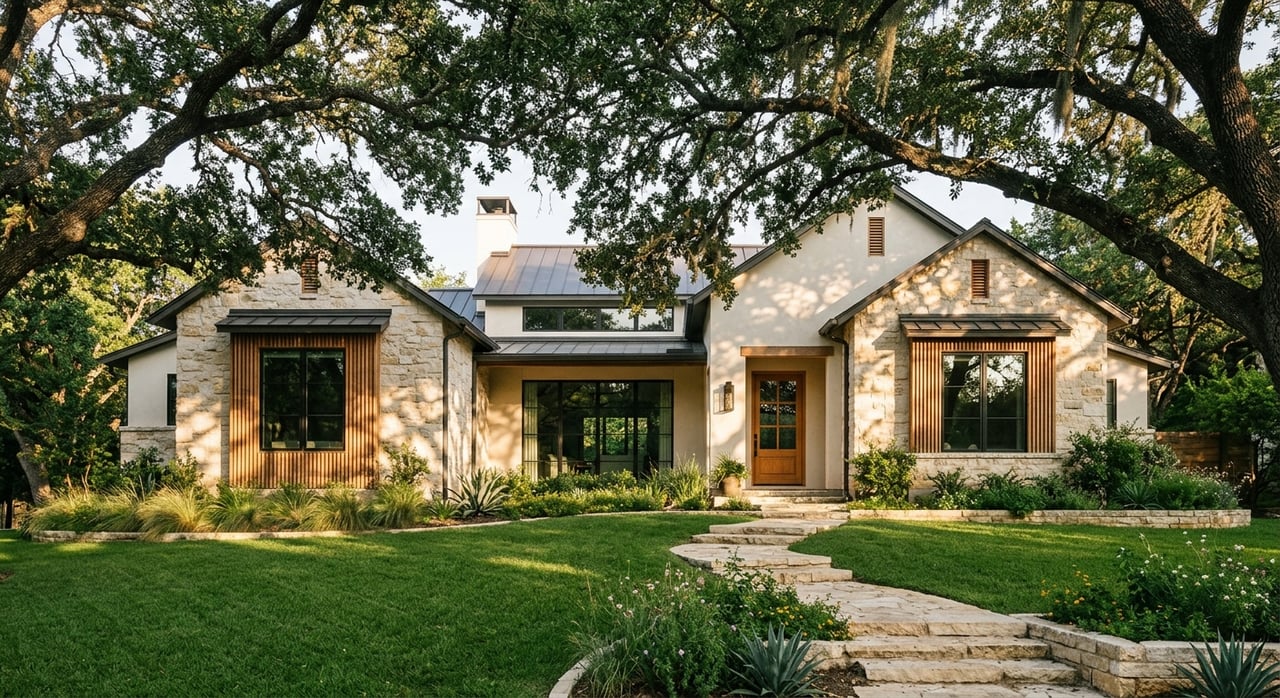
If you want to live near some of Austin’s most iconic outdoor space, choosing between Barton Hills and Zilker can feel harder than it sounds. Both neighborhoods put you close to Barton Creek, Zilker Park, and a central Austin lifestyle, but they do not live exactly the same way day to day. This guide will help you compare feel, housing, recreation access, and practical buying considerations so you can decide which neighborhood better fits your routine. Let’s dive in.
Barton Hills and Zilker at a Glance
Barton Hills and Zilker sit next to many of the same major amenities, but they offer different residential experiences. Barton Hills is a smaller residential community along Barton Creek, while Zilker centers more directly around Zilker Park and Barton Springs.
That difference shapes daily life. In simple terms, Barton Hills often feels more like a residential retreat near the action, while Zilker tends to feel more connected to the park, nearby activity, and Austin’s event calendar.
Barton Hills Feel and Setting
Barton Hills has long been known for its residential character and natural setting. The neighborhood association describes an active community focused on city issues, environmental concerns, traffic, and neighborhood improvements, which gives you a sense of how engaged residents are in protecting the area’s character.
The setting also stands out. With boundaries that wrap around Barton Creek, Barton Skyway, South Lamar, and Barton Springs Road, Barton Hills often feels wooded, sloped, and tucked into the landscape in a way that is distinct within central Austin.
Why Barton Hills Appeals to Buyers
If your ideal routine includes quick access to trails and a calmer home base, Barton Hills may feel like a better match. The neighborhood’s position near Barton Creek gives many buyers a sense of separation from busier park activity while keeping the same outdoor lifestyle close.
It can also appeal if you value a neighborhood with a strong residential identity. Barton Hills tends to attract buyers who want central access without feeling fully surrounded by the park and event traffic that comes with a more front-row location.
Zilker Feel and Setting
Zilker is one of Austin’s most recognized neighborhoods because it sits so close to major park amenities. The neighborhood association notes a population of roughly 9,000 residents across 5,500 households and focuses on land use, environmental protection, public services, and preserving the area’s historic and unique character.
Living in Zilker often means you feel the presence of the park more directly. Barton Springs, Butler Trail, the botanical garden, and major annual events all shape the neighborhood’s identity and daily rhythm.
Why Zilker Appeals to Buyers
Zilker may be a better fit if you want easy access to park-centered living. If you picture walking or biking toward Barton Springs, spending time in Zilker Metropolitan Park, or living close to major Austin traditions like Trail of Lights or the Kite Festival, Zilker puts those experiences closer to your front door.
That convenience can come with more visible activity. For some buyers, that is a plus. For others, it may feel busier than they want for everyday living.
Home Styles and Neighborhood Fabric
The housing story in Barton Hills and Zilker is another major point of difference. Both neighborhoods have older roots, but the style and layout of the homes often feel different when you walk the streets.
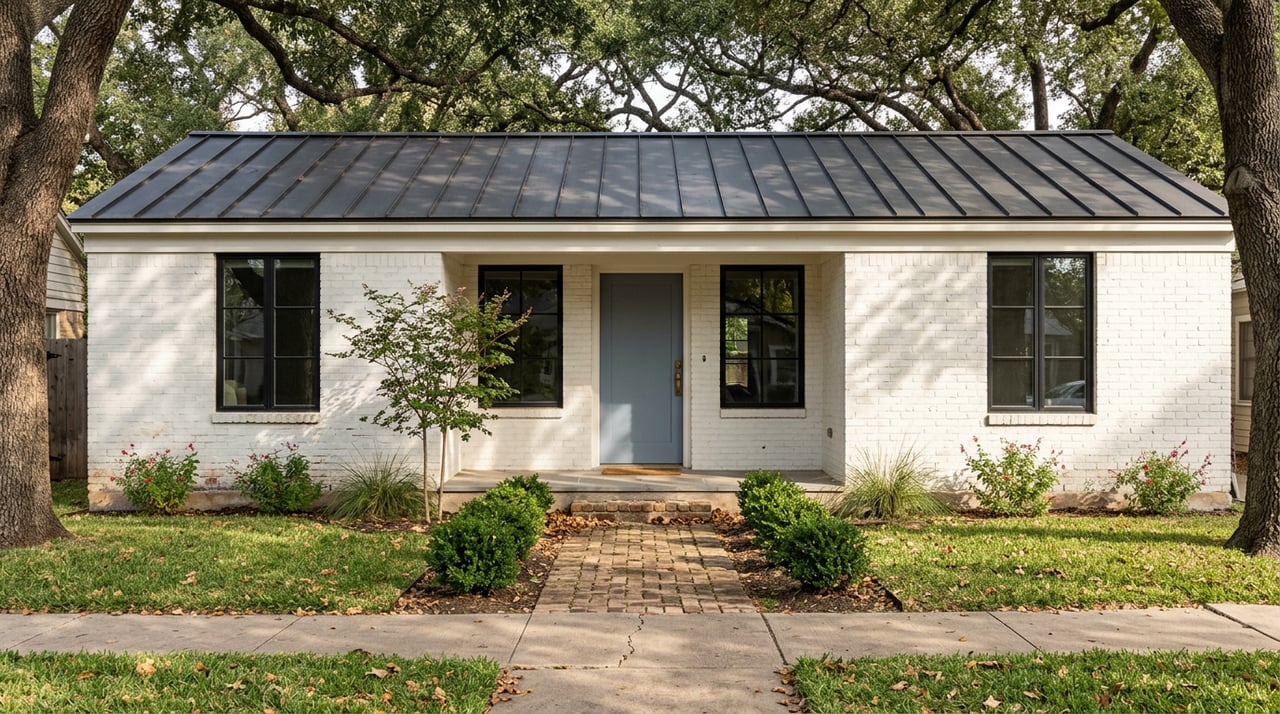
Barton Hills was largely platted in the 1950s and even appeared in Austin’s 1956 Parade of Homes. Its history includes early contemporary homes by A.D. Stenger, and the area is known for modernist and ranch-style homes with open living spaces in a wooded, sloping setting.
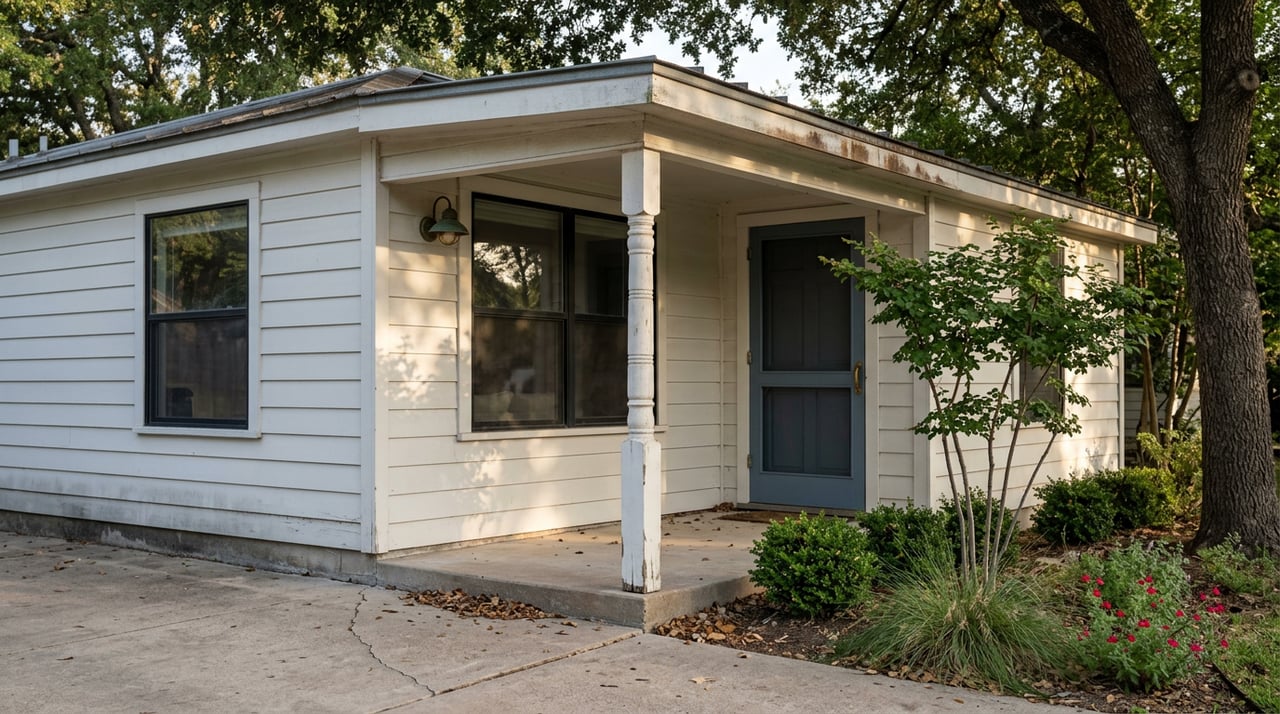
Zilker developed later and stayed more modest for longer. Its earlier homes included cottages and bungalows, followed by small ranch and modern styles after the mid-1900s, which helps explain why many blocks feel more mixed and compact, especially closer to South Lamar and the park edge.
What That Means for Your Search
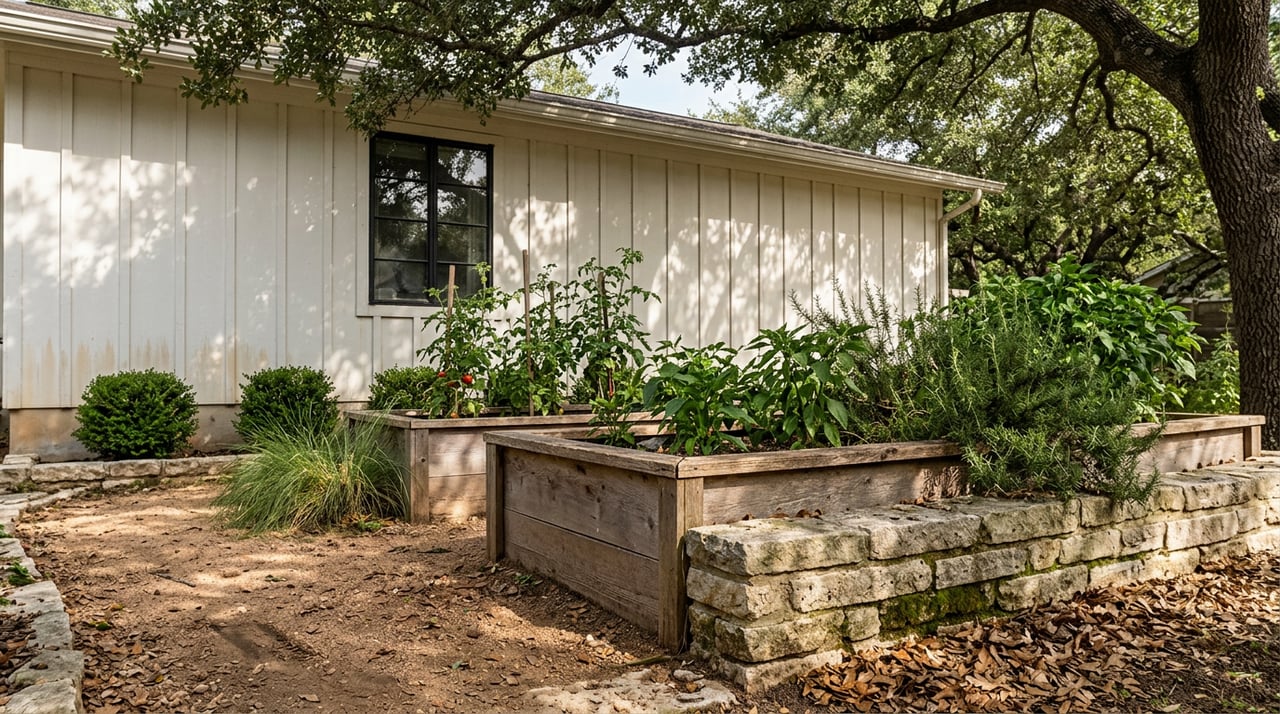
In Barton Hills, you may find homes that feel more integrated with the land, with a retreat-like quality that comes from mature trees, hillsides, and mid-century design influence. Lot shape, slope, and privacy can play a bigger role in how a property lives.
In Zilker, the appeal may come from variety and proximity. You may see a wider mix of cottages, bungalows, ranch homes, and newer updates, often in a tighter neighborhood pattern that supports easy access to surrounding amenities.
Price Context and Market Pace
Price is always part of the conversation, but it helps to treat neighborhood numbers as directional rather than absolute. Different data sources measure different things, and small sample sizes can create swings in neighborhoods with limited turnover.
As of late spring 2026, Zillow’s home value index places Barton Hills at about $887,360 and Zilker at about $906,918. Recent Redfin sale medians over the last three months were higher and more volatile, at about $1.51 million for Barton Hills and about $1.27 million for Zilker.
Days on market also differed in that recent Redfin snapshot, with Barton Hills averaging about 86 days and Zilker about 50. With only 31 homes sold in Barton Hills and 35 in Zilker during that measured period, individual property differences can heavily influence the numbers.
How Buyers Should Read the Data
The takeaway is not that one neighborhood is always more expensive than the other. Instead, you should expect values to depend heavily on the specific home, lot, street, updates, and access pattern.
In both neighborhoods, inventory can be limited enough that the right fit matters more than broad averages. A measured, property-by-property approach is usually the smartest way to compare options here.
Park and Trail Access Differences
This may be the biggest lifestyle divider between the two neighborhoods. Both offer excellent outdoor access, but the kind of access is not the same.
Barton Hills gives you direct Greenbelt entry through the Barton Hills School Park and Homedale Drive trailhead, as well as the Gus Fruh and Barton Hills Drive trailhead. The city notes free parking at Homedale and limited street parking at Gus Fruh, and the Greenbelt itself stretches more than 12 miles with hiking, biking, swimming holes, and limestone terrain.
Zilker is the gateway to Austin’s largest park amenities. Zilker Metropolitan Park spans more than 350 acres and includes Barton Springs Pool, the botanical garden, the nature center, Butler Trail, the Barton Creek Trail, and major annual events.
Choosing Based on Daily Routine
If you want a quick weekday trail habit, Barton Hills often makes a strong case. It can suit buyers who want to slip onto the Greenbelt, enjoy the outdoors, and return to a quieter residential setting.
If you want the park itself to act as part of your neighborhood living room, Zilker may fit better. It gives you more direct connection to Barton Springs, the larger park campus, and event-centered recreation, though that often means more traffic and parking activity nearby.
Schools and Location Details to Verify
For buyers considering school access, both neighborhoods have Austin ISD campuses nearby. Barton Hills Elementary is located at 2108 Barton Hills Drive and has a 2025 accountability rating of B, with an A in student achievement and C ratings in progress and closing the gaps.
Zilker Elementary is located at 1900 Bluebonnet Lane. Austin ISD describes programs that include arts enrichment, environmental education, social-emotional learning, an active PTA, and an edible schoolyard garden, and the school has a B accountability rating in Austin ISD, while the 2024 TEA report card shows an overall 91 out of 100.
Attendance areas are determined by home address, so assignment should always be verified for any specific property. If school zoning is part of your decision, it is best to confirm it early in your search rather than rely on neighborhood assumptions.
Which Neighborhood Fits You Best
Barton Hills is often the better match if you want a wooded, hillside, residential feel with fast access to Greenbelt routines. It can be especially appealing if you want central Austin convenience paired with a little more separation from the heaviest park activity.
Zilker is often the better match if your priority is walkability or close access to Barton Springs, Zilker Park, and the broader event calendar. If you want your neighborhood identity tied closely to Austin’s best-known outdoor amenities, Zilker offers that experience more directly.
Neither choice is one-size-fits-all. In a market where turnover is limited and each block can feel different, the best decision usually comes down to how you want your home, street, and daily routine to work together.
If you are weighing Barton Hills against Zilker, a calm, local perspective can make the decision much easier. Greg Walling offers thoughtful, discreet guidance for buyers who want to compare central Austin neighborhoods with clarity and confidence.
FAQs
What is the main difference between Barton Hills and Zilker for homebuyers?
- Barton Hills generally offers a more residential, wooded feel near the Greenbelt, while Zilker usually offers closer access to Zilker Park, Barton Springs, and major public events.
Which neighborhood has better trail access, Barton Hills or Zilker?
- Barton Hills has direct access to Greenbelt trailheads like Homedale and Gus Fruh, while Zilker connects more directly to the larger park system and amenities around Zilker Metropolitan Park.
Are home prices higher in Barton Hills or Zilker?
- Recent figures vary by source, but both neighborhoods are high-value central Austin markets, and specific home features can matter more than broad neighborhood averages.
What home styles are common in Barton Hills and Zilker?
- Barton Hills is known for 1950s-era modernist and ranch-style homes in a sloping, wooded setting, while Zilker has a mix of cottages, bungalows, small ranch homes, and modern styles.
How do school assignments work in Barton Hills and Zilker?
- Austin ISD determines attendance areas by property address, so you should verify school zoning for any home you are seriously considering.
Is Barton Hills or Zilker better for a quieter lifestyle near the park?
- Buyers who want a calmer residential setting often prefer Barton Hills, while buyers who want more direct park access and activity often lean toward Zilker.